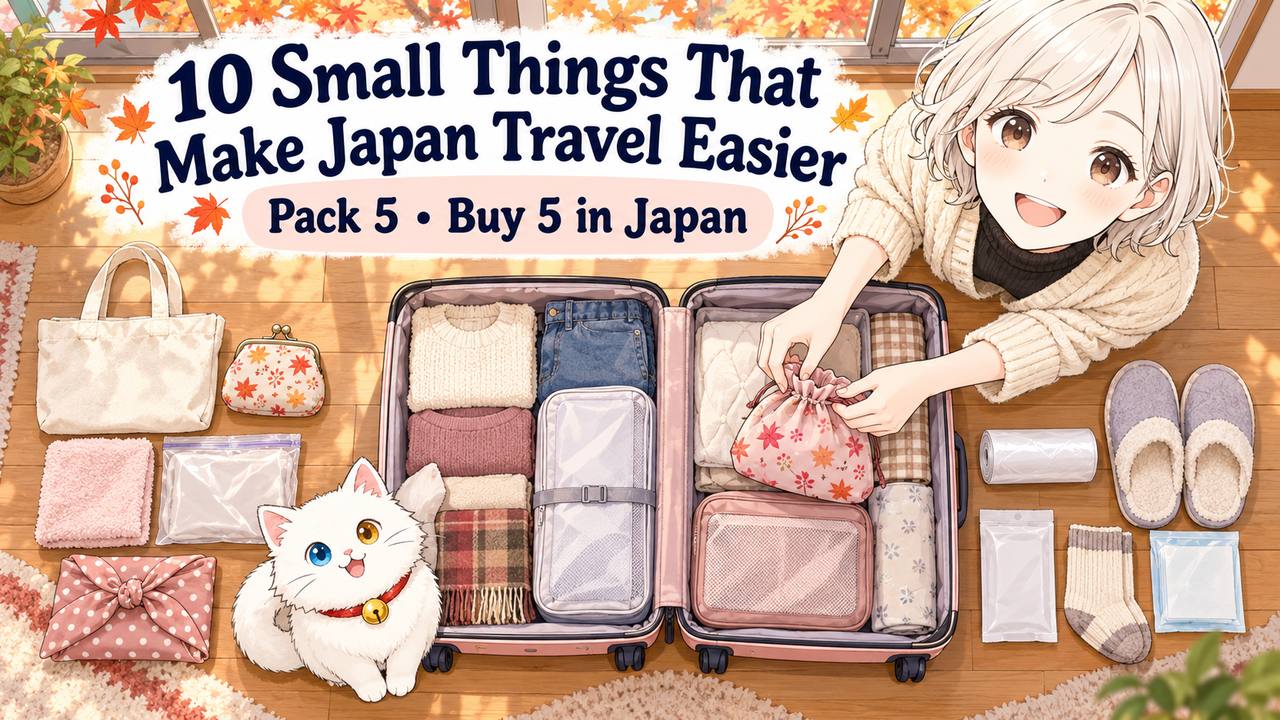

- Quick Answer: Pack These 5, Buy These 5 in Japan
- Why “Pack Light, Buy It There” Is Only Half the Answer
- Shupatto Folding Bag — Because Plastic Bags Cost Money and Souvenirs Pile Up
- A Gamaguchi Coin Purse — Japan Still Runs on Coins
- An Imabari Hand Towel — For Restrooms Without Paper Towels
- Remove Air Compression Bags — No Vacuum Needed, More Room for Souvenirs
- A Water-Repellent Furoshiki — Wet Umbrella, Laundry, Gift Wrap
- Daiso Portable Trash Bags — The No-Trash-Can Problem, Solved for ¥110 (about $1)
- Folding Slippers — You’ll Take Your Shoes Off More Than You Think
- Seria Heat-Seal Pouches — Travel-Size Your Own Skincare for ¥110 (about $1)
- Deodorant Socks From Don Quijote — For Every Time You Take Your Shoes Off
- Laundry Detergent Sheets — Liquid-Free, Carry-On Friendly
- Still Out of Space? An Expandable Suitcase From Don Quijote (or Just Ship It)
- Where to Find Daiso, Seria, Don Quijote and Loft
- What I Left Out (and Where I Wrote About It)
- FAQ + YUU’s Final Thoughts
Quick Answer: Pack These 5, Buy These 5 in Japan
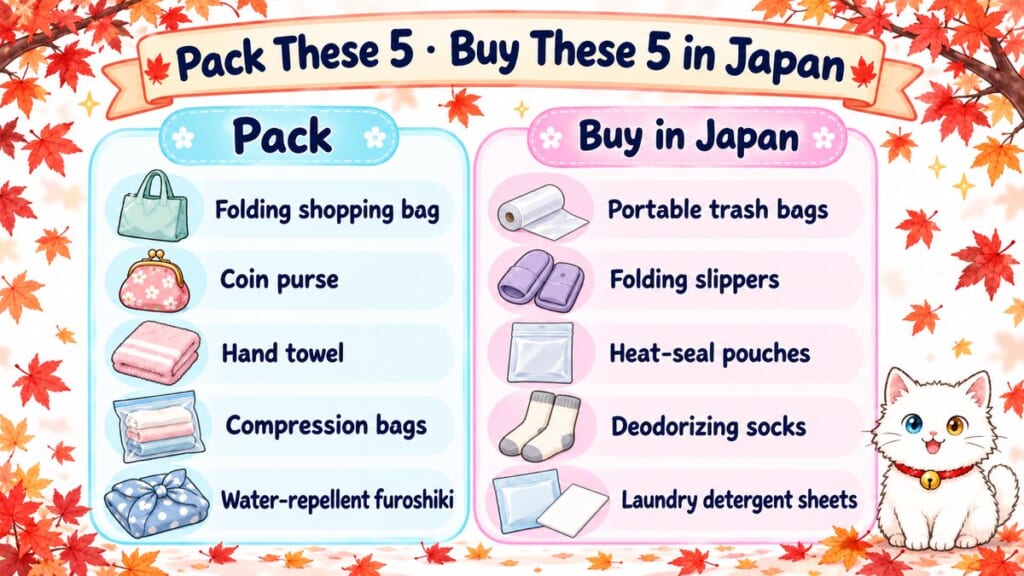
You don’t need to pack every small thing you might possibly use in Japan. My rule is simpler: bring the things you may need from your first day, and leave the easy-to-buy basics for after you arrive.
The first five below solve problems that can start right away — shopping bags, loose coins, wet hands, suitcase space, and separating damp items. The other five can wait because you can pick them up in Japan at places such as Daiso, Seria, or Don Quijote.
As an Amazon Associate I earn from qualifying purchases.
Prices are as of October 2026 unless another date is noted.
| Item (brand) | What it fixes | Pack or buy | Price in Japan | On Amazon? |
|---|---|---|---|---|
  |
Shopping bags and extra souvenirs | Pack | S ¥1,280 (about $8) / M ¥2,490 (about $16) / L ¥2,980 (about $19) | US + Japan |
  |
Loose yen coins | Pack | About ¥1,400–5,300 (about $9–34) | US + Japan |
  |
Drying your hands | Pack | About ¥550–700+ (about $4–5) | US + Japan |
  |
Bulky clothes in your suitcase | Pack | — | US only |
  |
Wet items, laundry, and gift wrapping | Pack | — | US + Japan |
 Portable trash bags with case (Daiso) |
Carrying trash until you find a bin | Buy | ¥110 (about $1) | Buy in Japan |
 Folding slippers (Daiso) |
Places where you remove your shoes | Buy | ¥110 (about $1) | Buy in Japan |
 Heat-seal pouches (Seria) |
Small amounts of skincare | Buy | ¥110 (about $1) | Buy in Japan |
 Deodorizing socks |
Repeated shoe-off situations | Buy | ¥1,429 (about $9) for Don Quijote’s six-pair set | Buy in Japan |
 Laundry detergent sheets |
Washing clothes without carrying liquid detergent | Buy | About ¥110 (about $1); not in every store | Buy in Japan |
 The point isn’t to buy all ten. It’s to decide what deserves suitcase space before you leave home and what can wait until you’re already in Japan.
The 5 to pack before you go — Amazon US
Outside the US? Four of the five also ship internationally from Amazon Japan — look for the Amazon Japan button in each section below.
Why “Pack Light, Buy It There” Is Only Half the Answer
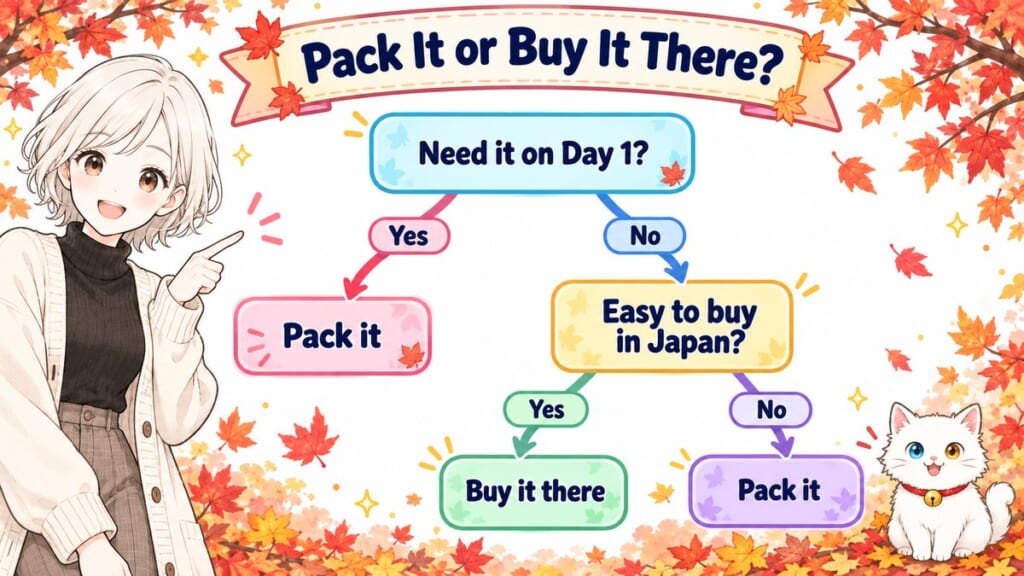
“Pack light and buy what you need in Japan” is common advice among Japan travelers, and the basic idea makes sense. You don’t need to fill your suitcase with things that are easy to replace after you arrive.
But there’s one question I’d add before leaving something behind: When will you need it? If the answer is “possibly on my first afternoon,” packing it can save you an unnecessary shopping stop when you’re tired, carrying luggage, or still figuring out the neighborhood around your hotel.
That’s the split I use in this guide. Pack the five things that can be useful immediately, then buy the simple, inexpensive items once you’re in Japan.
For the bigger trip-planning picture, see my Japan trip planning guide.
Shupatto Folding Bag — Because Plastic Bags Cost Money and Souvenirs Pile Up
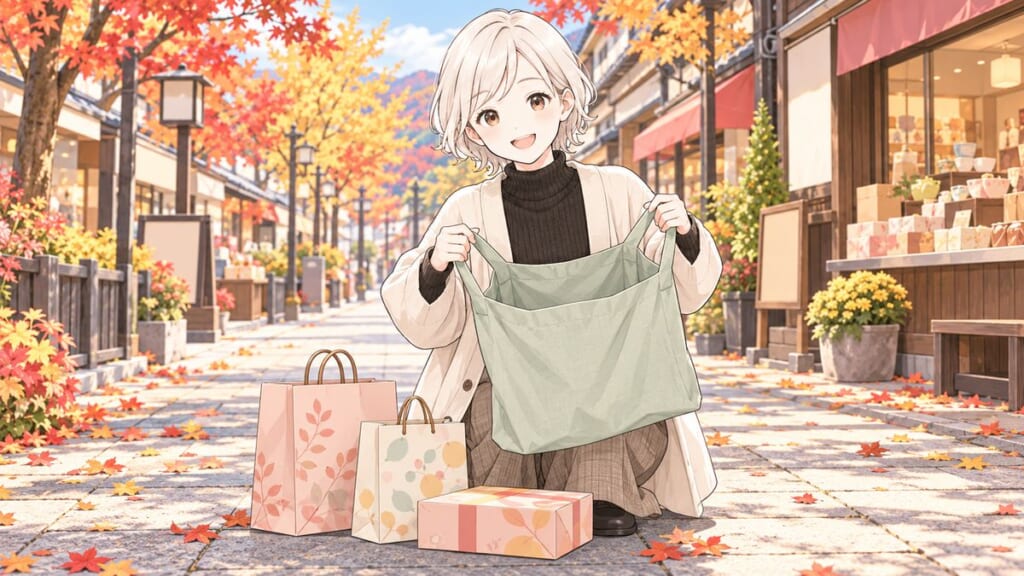
Japan’s nationwide plastic shopping bag charging policy began on July 1, 2020, so a reusable bag can start earning its suitcase space from your first convenience-store or souvenir stop.
Marna’s Shupatto is a Japanese-brand folding bag designed to collapse quickly when you pull and fold it. Travelers have praised this style of bag for shopping-heavy travel days, when one small purchase somehow turns into snacks, drugstore items, and several souvenirs.
The S size holds about 7.5 liters with a 3 kg load limit, the M about 15 liters with a 5 kg limit, and the L about 40 liters with a 15 kg limit. The S is handy for quick convenience-store stops, the M works well as an everyday travel size, and the L gives you much more room for a serious shopping day.
A normal reusable tote can do the same basic job, so you don’t need Shupatto specifically. Its advantage is the fast-folding design — useful if you expect to take the bag in and out of your day bag repeatedly.
You can find Shupatto bags in S, M, and L sizes on Amazon.com through sellers that handle Japanese products.
Marna Shupatto Compact Bag
Folds flat in seconds. Choose S, M or L on the listing. Outside the US, the Amazon Japan button links to Shupatto Compact Bag M.
Prices change often — please check the latest price on each store.
A Gamaguchi Coin Purse — Japan Still Runs on Coins
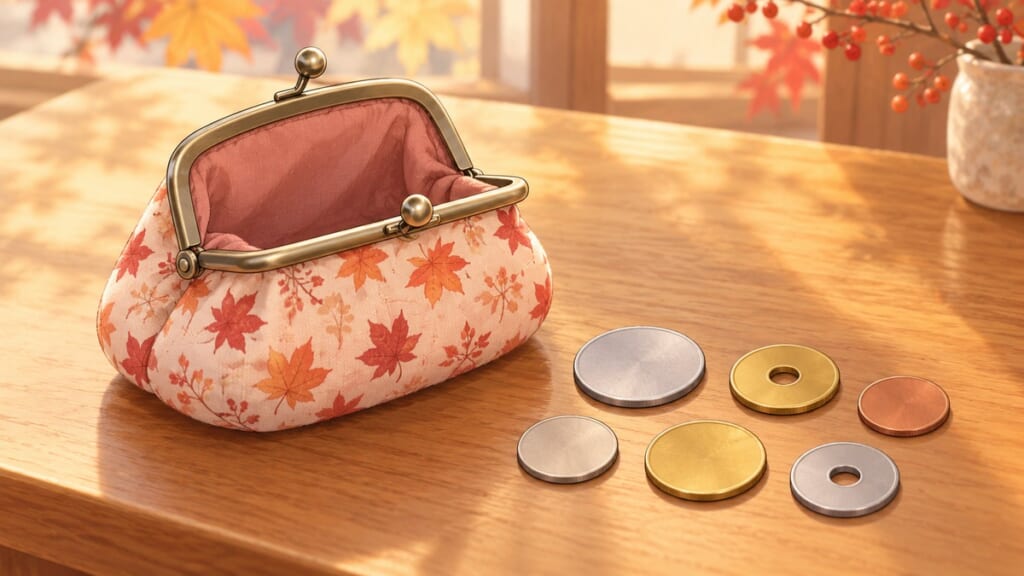
If you start paying with cash in Japan, loose change can build up faster than you expect. Japanese coins come in six denominations: ¥1, ¥5, ¥10, ¥50, ¥100, and ¥500.
That’s why a small gamaguchi — the clasp-style coin purse you’ll see in many Japanese designs — is more practical than letting every coin sink to the bottom of your wallet. The wide opening also makes it easier to see what you have when you’re standing at a register with people waiting behind you.
You don’t need a large wallet just for Japan. A small coin purse beside the card holder you already use is enough for many travelers, especially if you plan to carry some cash for smaller shops, temples, machines, or places where cash is simply the easier option.
Japanese-made gamaguchi coin purses are available on Amazon.com, and current examples in Japan range from about ¥1,400 to ¥5,300 (about $9–34) depending on the maker and design.
For how much cash to carry in the first place, see my guide to how much cash to bring to Japan.
Gamaguchi Coin Purse (Made in Japan)
A small clasp purse that keeps yen coins in one place. Outside the US, the Amazon Japan button links to Marutomo made-in-Japan gamaguchi.
Prices change often — please check the latest price on each store.
An Imabari Hand Towel — For Restrooms Without Paper Towels
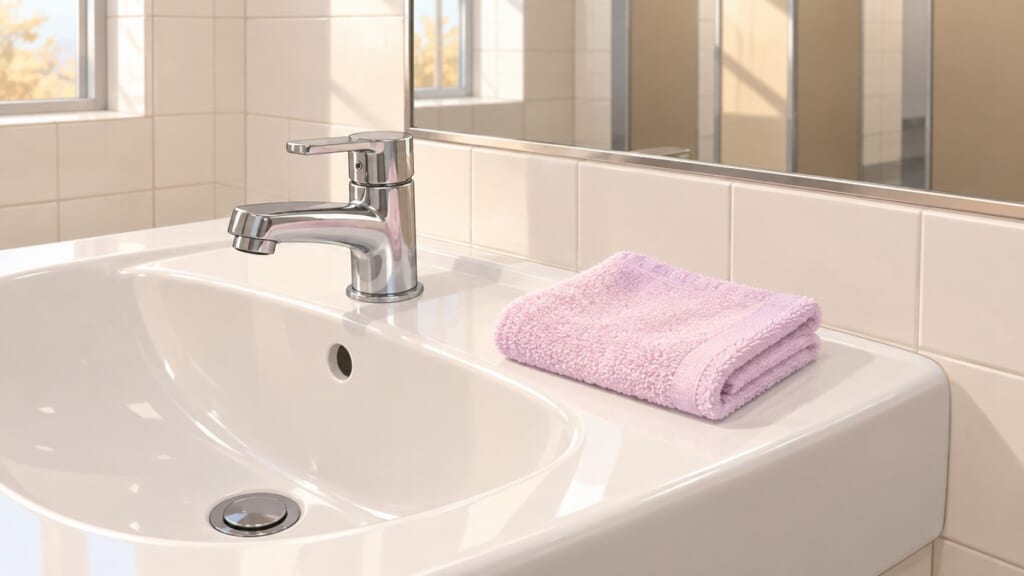
A small towel handkerchief takes almost no room in your day bag, but it’s one of those things you may reach for several times a day in Japan.
Many public restrooms don’t have paper towels, and hand dryers aren’t always there. Carrying your own hand towel means you don’t have to depend on whatever drying setup happens to be available.
Imabari is a well-known towel-producing area in Ehime Prefecture, and an Imabari towel handkerchief gives this very ordinary travel item a distinctly Japanese touch. A 25 cm handkerchief-size towel is small enough for a pocket or day bag, and current examples in Japan are around ¥550 to the ¥700 range (about $4–5).
I carry a handkerchief every day myself. It’s such a normal little habit for me that I tend to notice it most on the rare day I forget one.
You can find Imabari towel handkerchiefs on Amazon.com, including 25 cm six-piece sets labeled with Japan as the country of origin. If you’re looking for larger Japanese towels as gifts instead, see my guide to Japanese gifts you can buy without going to Japan.
imaa Imabari Mini Towels, 6-piece set
25 × 25 cm (9.8 × 9.8 in), small enough for a pocket or day bag. Outside the US, the Amazon Japan button links to Imabari Factory 7-piece handkerchief set.
Prices change often — please check the latest price on each store.
Remove Air Compression Bags — No Vacuum Needed, More Room for Souvenirs
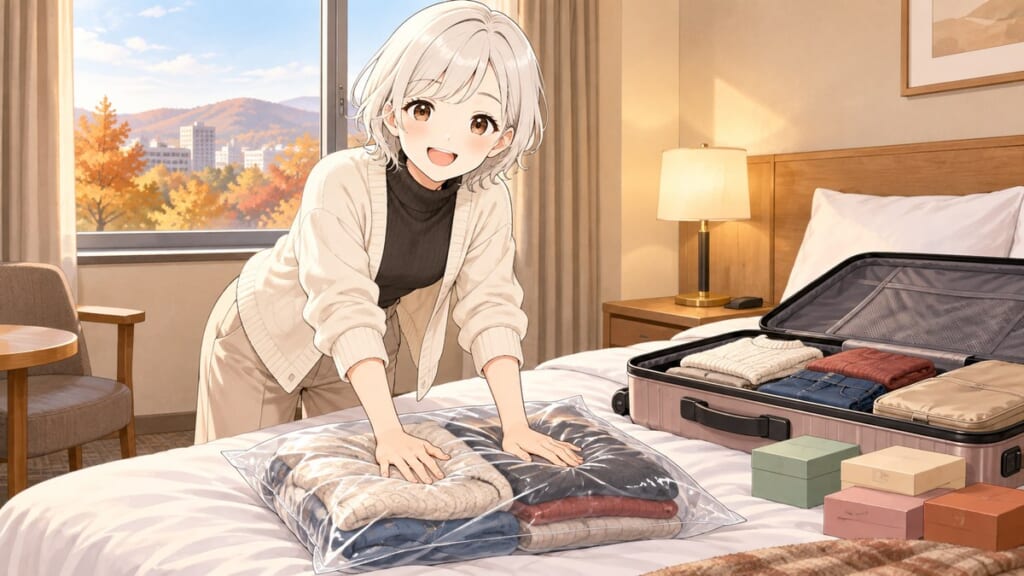
Compression bags are most useful on the way home, when the clothes you packed neatly on day one are competing with everything you bought during the trip.
Remove Air compression bags are made in Japan and use a patented one-way valve that lets air escape without flowing back in. You push the air out by hand, so there’s no vacuum cleaner to find in your hotel room and no pump to pack.
That makes them a practical travel option when you expect to repack several times. You can also find a made-in-Japan L-size 10-pack on Amazon.com.
Before family trips, I sometimes buy clothing organizers or pouches at a 100-yen shop. I like separating everyone’s clothes before they turn into one big pile inside the suitcase.
The two ideas do different jobs: pouches help you sort, while compression bags help reduce bulk and leave more room for what you bring home.
Remove Air Compression Bags, L size, 10 bags
Made in Japan. Press the air out by hand — no vacuum needed.
Prices change often — please check the latest price on each store.
A Water-Repellent Furoshiki — Wet Umbrella, Laundry, Gift Wrap
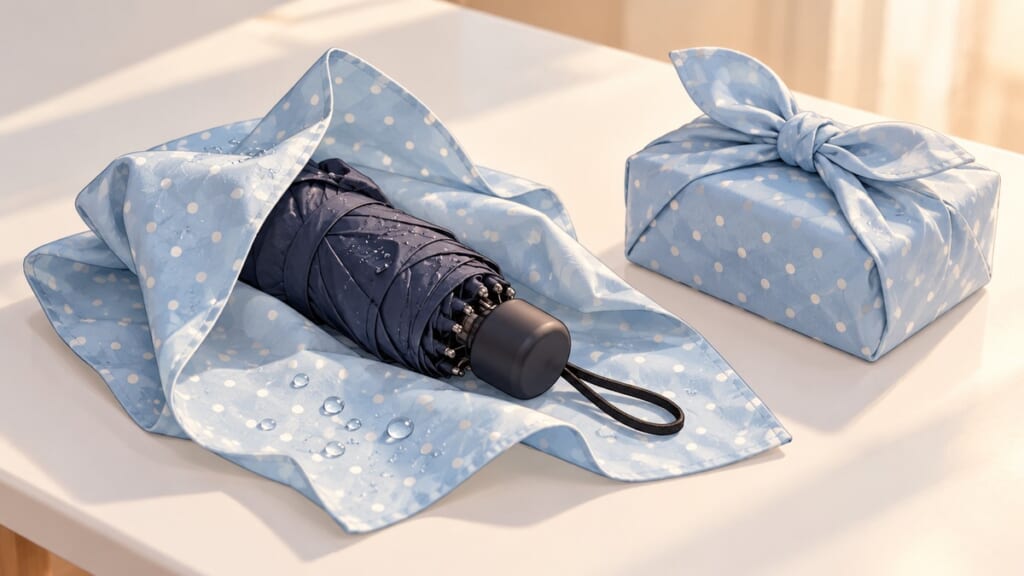
A water-repellent furoshiki earns its place by doing several small jobs instead of one big one. On a rainy day, it can help separate a damp umbrella or other wet items from the dry things in your bag. Later, it can wrap laundry or become part of the way you present a souvenir.
One example is the Nagare super water-repellent furoshiki from Asakura Senpu, a dyeing company in Kiryu, Gunma. Water beads up on the cloth and rolls off instead of soaking in, and the 96 cm size is big enough to bundle a folded umbrella or a day’s worth of laundry.
A furoshiki is simply a square wrapping cloth, but the idea behind it has been used in Japan for generations: wrap what you need, carry it, then fold the cloth flat again. You don’t need to learn elaborate wrapping techniques for a trip.
For travel, I’d treat the water resistance as the practical reason to pack one. If you already carry a waterproof pouch that does the same job, you don’t need both.
You can find Asakura Senpu’s made-in-Japan Nagare furoshiki in the 96 cm size on Amazon.com through sellers based in Japan.
Asakura Senpu Nagare Super Water-Repellent Furoshiki
96 × 96 cm (37.8 in), made in Japan. Water beads up and rolls off. Outside the US, the Amazon Japan button links to Asakura Senpu Nagare furoshiki.
Prices change often — please check the latest price on each store.
Daiso Portable Trash Bags — The No-Trash-Can Problem, Solved for ¥110 (about $1)
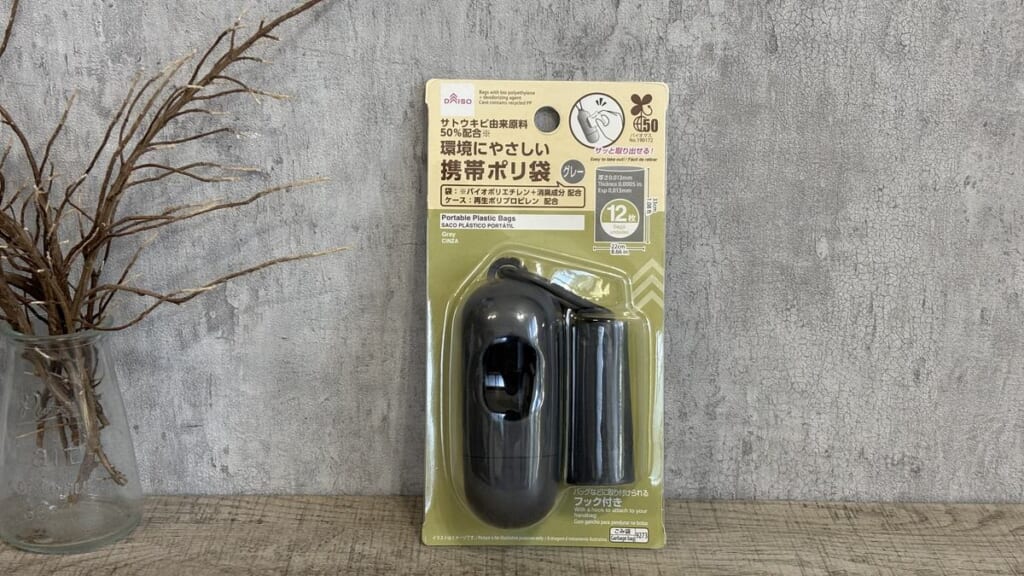
This is one of the five things I’d wait to buy until you’re in Japan. Daiso sells portable trash-bag rolls in a small case with a loop, giving you a simple place to put wrappers, tissues, or other small trash until you find a bin.
That solves a very real visitor problem. In the Japan Tourism Agency’s FY2025 survey, conducted from November 2025 through January 2026 with 4,110 respondents, “few trash cans” was the most commonly reported difficulty, at 17.2%.
I do the same thing in everyday life. When I’m outside and there isn’t a trash can nearby, I put the trash in a small bag and bring it home rather than carrying it loose in my handbag.
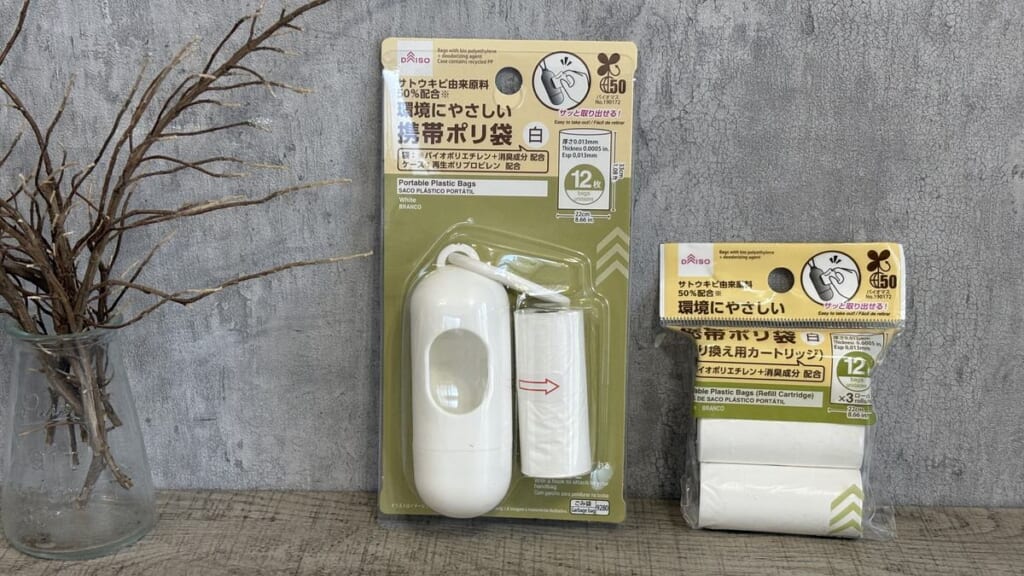
These are the ones I picked up at my local Daiso. The case comes with a roll of 12 bags for ¥110 (about $1), and refill rolls are sold separately for ¥110 (about $1), so you can top up instead of buying a new case.
You don’t need this exact case, of course. Any small bag that keeps wrappers and other little bits of trash contained can do the job. What matters is having something ready before you finish that first convenience-store snack and realize there’s nowhere obvious to put the wrapper.
For more on what to do with trash while sightseeing, see my guide to why there are so few trash cans in Japan.
Folding Slippers — You’ll Take Your Shoes Off More Than You Think
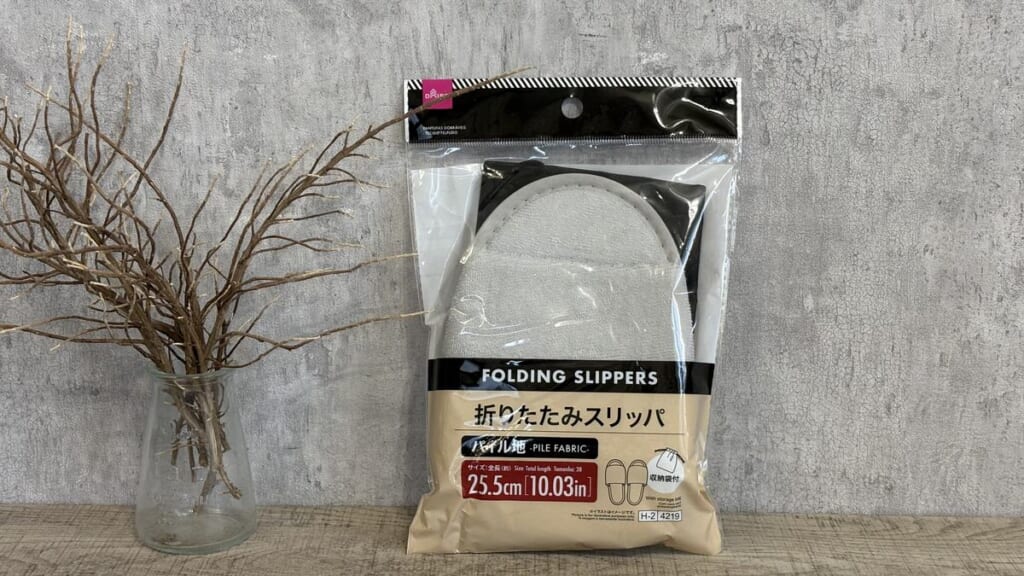
A pair of folding slippers is easy to buy after you arrive. Daiso sells pile-fabric folding slippers for ¥110 (about $1), and the pair I bought came folded flat in a small bag. They’re useful because your Japan trip may include more shoe-off moments than your hotel room alone.
Ryokan, some temples, and tatami seating areas are common examples. You’ll usually see a clear cue — a raised floor, shoe rack, slippers, or instructions — so you don’t need to guess every time.
 One caution: compact slippers sold in Japan often run small. Daiso’s pile pair comes in 25.5 cm and 28 cm (about a US men’s 10), so if your feet are larger than that, bring your own rather than assuming you’ll find a comfortable pair after arrival.
Why Japan does it this way
Taking off your shoes isn’t limited to homes. At my children’s school, visitors also change out of outdoor shoes, so I bring my own portable slippers for school events, class visits, school tours, and information sessions.
 The same basic idea — not carrying outdoor dirt farther inside — shows up in homes, schools, some temples, and traditional accommodation. Once you notice the change in floor level or the row of shoes near an entrance, the rule starts to feel much easier to read.
If a ryokan or hot-spring stay is part of your trip, see my onsen guide for first-timers.
Seria Heat-Seal Pouches — Travel-Size Your Own Skincare for ¥110 (about $1)
Before you start transferring skincare into tiny containers, there’s an even easier option I like: check a convenience store first.
You can find one-day or three-day skincare pouches with lotion and other basics, depending on the store. I like them because you can take only what you need, and it’s also a chance to try something you don’t normally use. Different convenience stores may carry different brands, so choosing from the small travel-size section can be part of the fun.
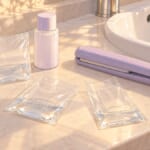
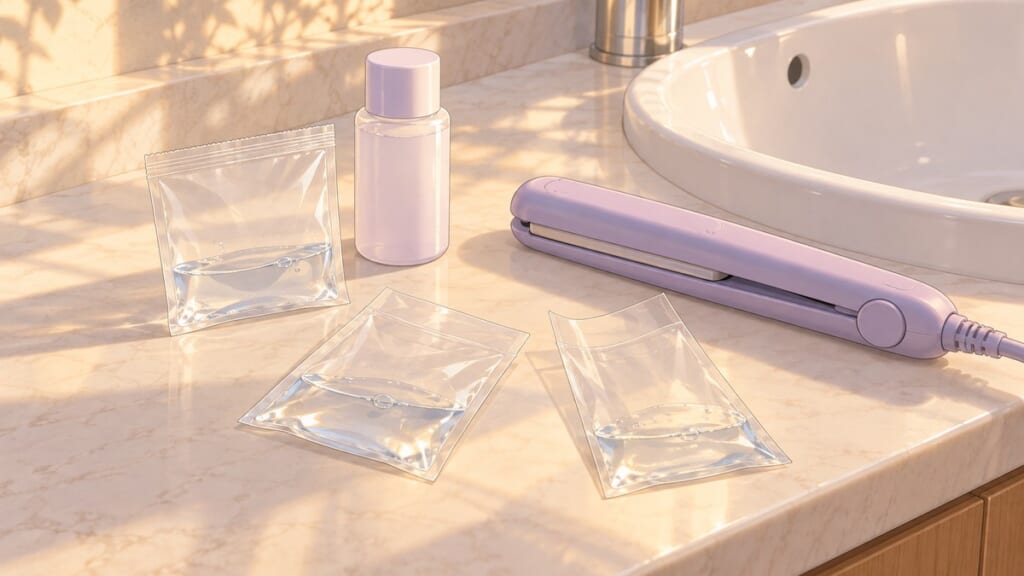
If you’d rather bring your own skincare, Seria has sold heat-seal pouches in 5 ml and 10 ml sizes, with 20 pouches per pack for ¥110 (about $1). Fill the pouch, keep the top clean, then seal the open edge for a few seconds with a hair straightener — and check the package instructions before you do it.
The product attracted attention on social media and temporarily sold out in 2025, so availability can vary.
For more Japanese skincare options you can buy during your trip, see my guide to Japanese drugstore skincare.
Deodorant Socks From Don Quijote — For Every Time You Take Your Shoes Off
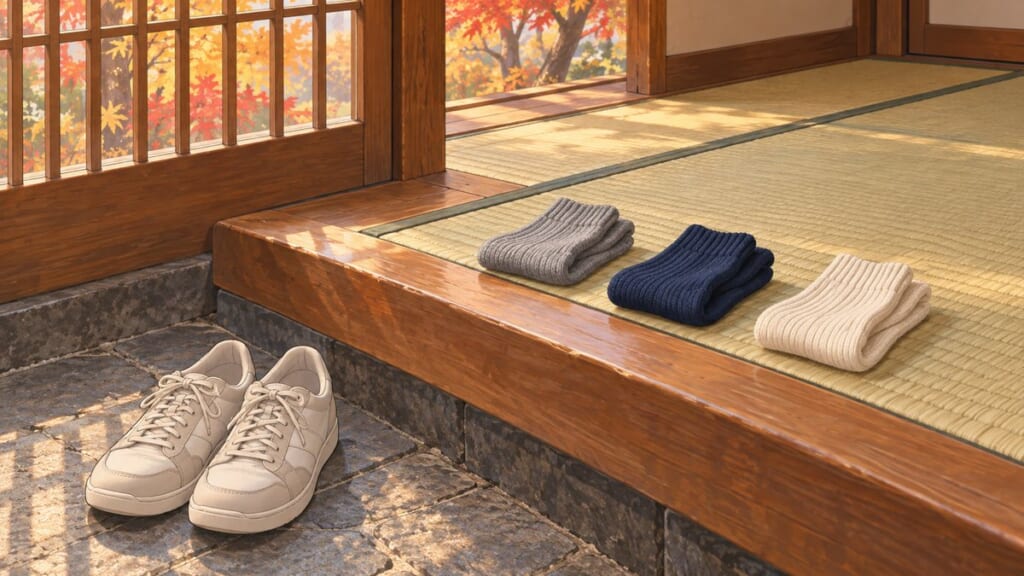
If your trip includes ryokan, temples, shoe-off restaurants, or long walking days, socks suddenly become more noticeable than they are at home. That makes deodorizing socks a practical thing to buy after arrival rather than another item you have to remember during packing.
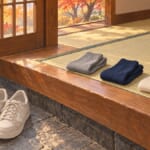
Don Quijote’s Jonetsu Kakaku line lists “Doctor’s Socks Niowana-i” in six-pair packs for men, with sizes including 25–27 cm and 27–29 cm. As of October 1, 2026, the official price is ¥1,429 (about $9) including tax, although store prices can vary. Crew, quarter, and ankle styles are available, using deodorizing yarn.
These are not compression socks. Deodorizing socks are for odor management during ordinary wear; compression socks are a different category used for leg support.
If sore or tired feet are the bigger problem after a full day of walking, go to my guide to recovering from sore feet in Japan instead.
Laundry Detergent Sheets — Liquid-Free, Carry-On Friendly
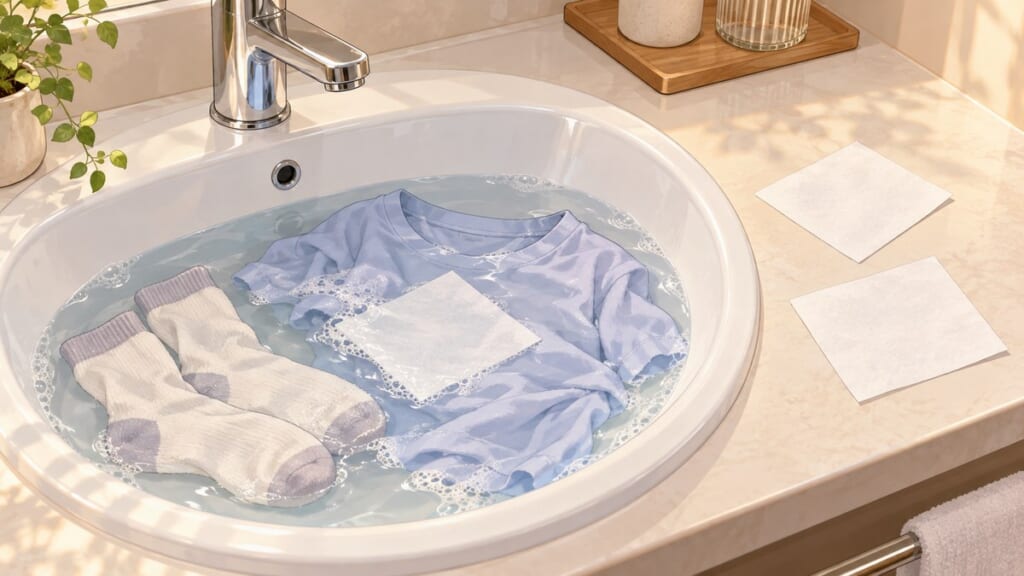
If you expect to do laundry once or twice during your trip, detergent sheets are easier to add after arrival than a bottle of liquid detergent.
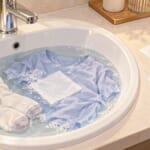
Detergent sheets are thin, pre-measured sheets of laundry soap. Daiso has sold them in packs of four for ¥110 (about $1), but not every store carries them, so treat them as a lucky find rather than a sure thing. If you don’t spot them, a small box of regular laundry detergent from a supermarket or drugstore does the same job.
Hotel washing machines and coin laundries give travelers plenty of chances to do a small load during a longer trip, so you don’t need to carry a large amount of detergent from home.
Before family trips, I sometimes pick up laundry supplies at a 100-yen shop rather than bringing more than I need from home.
Still Out of Space? An Expandable Suitcase From Don Quijote (or Just Ship It)
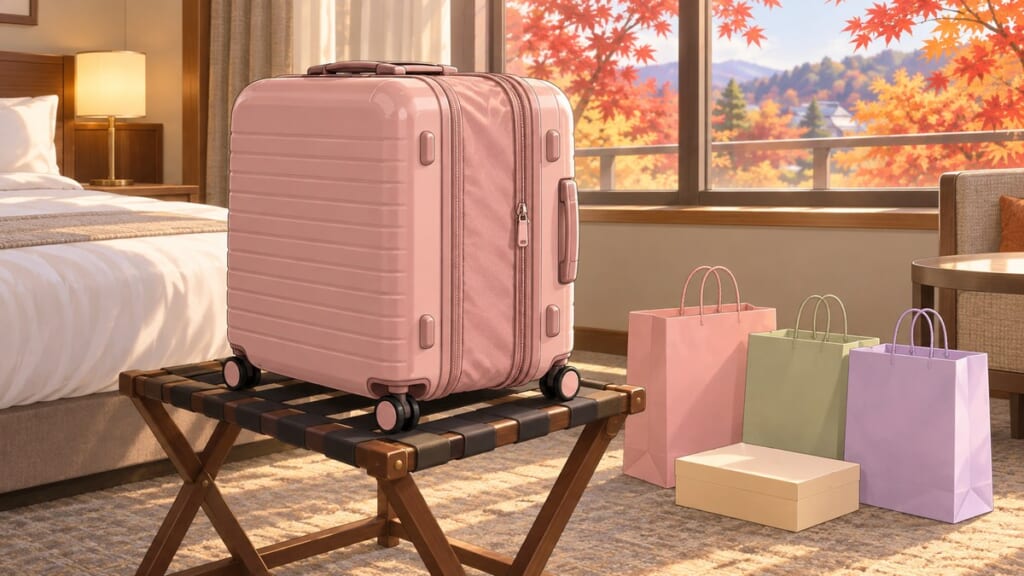
Sometimes compression bags aren’t enough. If the trip has gone very well in the souvenir department, you may simply have more luggage than you started with.
Don Quijote renewed its Jonetsu Kakaku expandable zipper suitcase line in November 2024 with six sizes. At that time, prices ranged from about ¥11,000 to ¥21,000 (about $71–135) depending on size. Prices may have changed since then, so check the shelf tag in the store.
Buying another suitcase isn’t your only option. If you already have enough bags but don’t want to drag them across Japan, luggage forwarding can be easier — see my luggage forwarding guide.
If the problem is just where to leave your bags for a few hours, see my guide to what to do when coin lockers are full.
Where to Find Daiso, Seria, Don Quijote and Loft
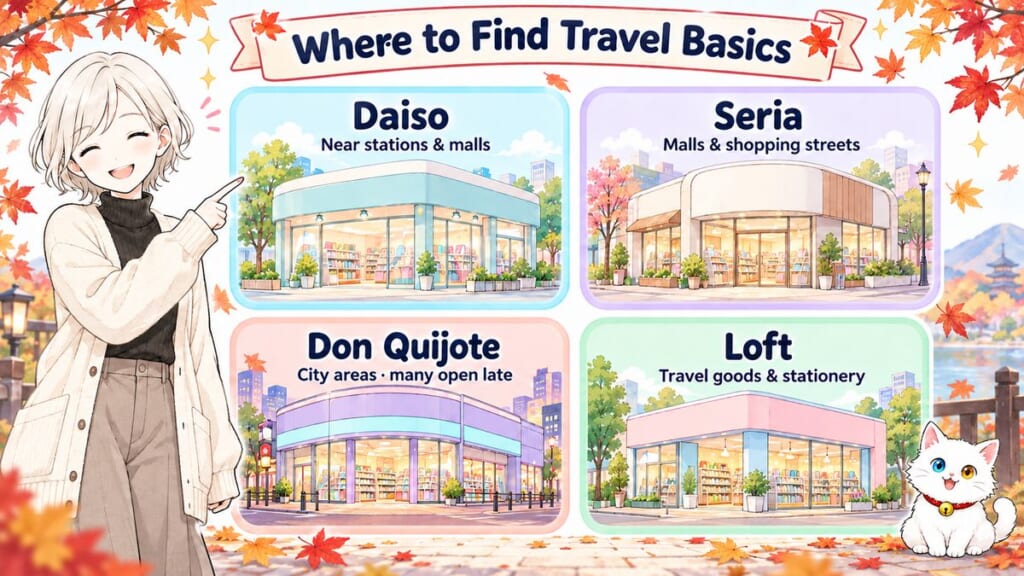
You don’t need to turn your first day into a shopping mission. Daiso and Seria are commonly found in shopping centers, station areas, and shopping streets, while Don Quijote has many branches in busy city areas. Loft is another useful place for travel accessories, stationery, and small everyday goods.
If stationery is on your list too, I compared Loft, Hands and Itoya in my guide to where to buy stationery in Japan — including which one to pick when you only have an hour.
Don Quijote also has many stores with long opening hours, including locations that stay open late. Exact hours vary by branch, so check the store you plan to visit rather than assuming every location is open overnight.
For purchases made from November 1, 2026, Japan uses a refund-based tax-free shopping system. You pay the tax-inclusive price at the store, then eligible purchases are checked by Customs when you leave Japan and the tax is refunded afterward. You need to leave Japan and complete the confirmation within 90 days of purchase.
The minimum qualifying purchase amount remains ¥5,000 (about $32) before tax at the same store on the same day. That means one ¥110 (about $1) item at a 100-yen shop won’t reach the threshold by itself — think about your eligible total rather than the price of one item.
For the full rules, see my Japan tax-free shopping guide.
What I Left Out (and Where I Wrote About It)
Some useful Japan travel items aren’t in this list because I’ve already covered them in more detail elsewhere.
For tired legs and feet, including products such as MegRhythm and compression socks, see my sore feet recovery guide. They solve a different problem from the deodorizing socks above.
For body wipes and cooling products, go to my guide to Japanese cooling body sheets. For disposable hand warmers, moisturizing items, and winter dryness, see my Japanese winter dry skin kit.
I also left out portable washlet devices. Many toilets in Japan already have built-in warm-water washing functions, so most travelers won’t need to carry a separate device just for their time in Japan.
Folding electric kettles are a different issue. Many electrical products made for the Japanese market are designed for Japan’s 100V power supply, so a Japan-market kettle may not be suitable to use after you return home.
Those products can make sense for a specific need, but they aren’t necessary for this “pack five, buy five” list.
FAQ + YUU’s Final Thoughts
Are the Japanese brands on Amazon.com the real thing?
Japanese brand names on Amazon.com don’t automatically tell you who the seller is. You can find all five pack-before-you-go items from this article on Amazon.com, and many listings are sold by shops based in Japan.
Check the seller and product details on the actual listing before you buy. For products where country of origin matters to you, check that line separately too — a Japanese brand doesn’t always mean the product itself was made in Japan.
Can I shop at Daiso in English?
You don’t need fluent Japanese to buy a simple item at Daiso. Prices and product information are displayed on the shelf or packaging, and you can take the item to the register like any other shop.
English support varies by branch, and not every package has a full English explanation. If you need a particular size or feature, a translation app can save you from guessing.
Are 100-yen shop items tax-free?
They can be, but a ¥110 (about $1) item by itself won’t meet the purchase threshold. From November 1, 2026, the tax-free minimum remains ¥5,000 (about $32) before tax at the same store on the same day, and the new system works by refund rather than removing the tax at checkout.
You pay the tax-inclusive price first, then follow the departure confirmation process for eligible purchases.
See my tax-free shopping guide for the full process.
What do I need when traveling with kids?
For kids, I’d keep the same rule as the rest of this article: bring the things you may need immediately, and buy easy-to-replace basics after arrival.
Before family trips, I sometimes pick up things for the children at a 100-yen shop. What your family needs will depend much more on your children’s ages than on a generic packing list.
For a fuller family-travel guide, see my Japan with kids guide.
You don’t need a suitcase full of “just in case” items to travel comfortably in Japan. Five things can be worth having from day one, while the other five are simple enough to leave off your packing list and pick up after you arrive.
That little bit of sorting before you fly means less luggage at departure without leaving yourself unprepared for the small everyday moments that can catch you by surprise.
The 5 to pack before you go — Amazon US
Outside the US? Four of the five also ship internationally from Amazon Japan — look for the Amazon Japan button in each section below.
What’s one small thing you always pack when you travel? Or do you have a packing rule that helps you keep your suitcase under control? Tell me in the comments.
I hope this guide has answered one of your questions and helped you feel a little closer to Japan.
May your Japan journey be filled with wonderful discoveries and memories you’ll treasure for years to come.
See you in the next guide.


Comments