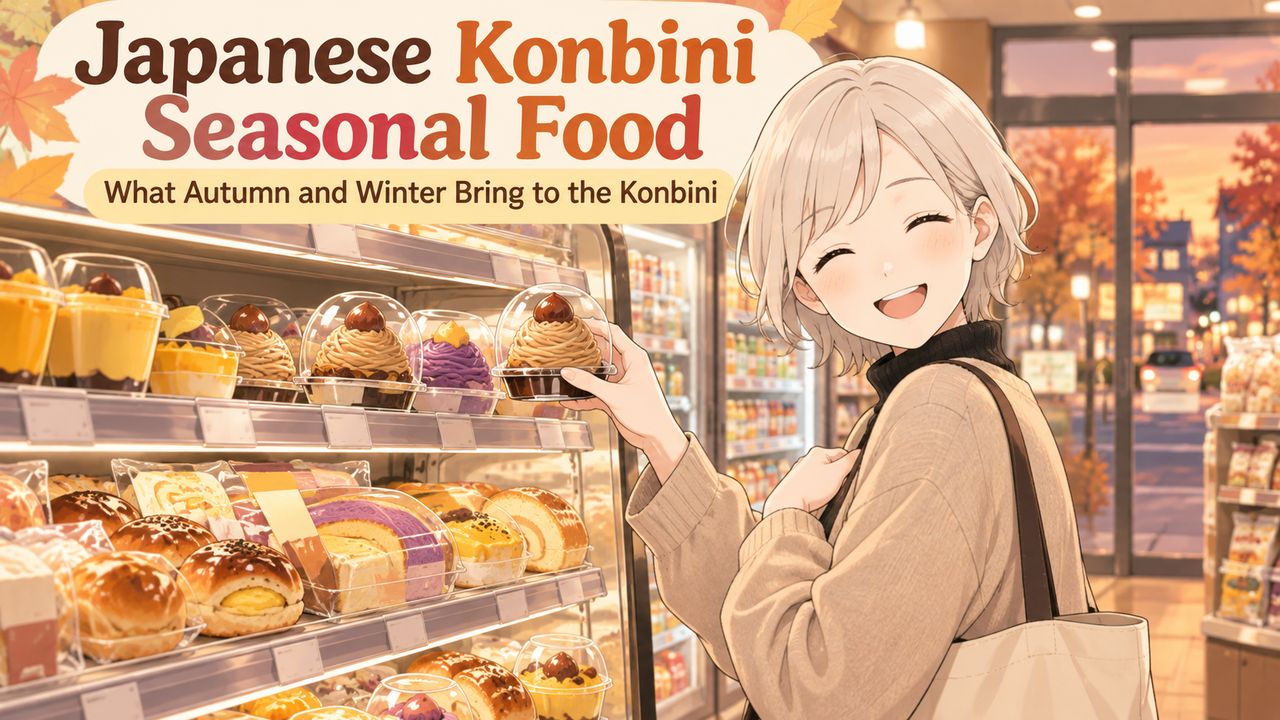

I walked in and it was suddenly autumn
Want to know what season it is in Japan? Take a look at the shelves of a convenience store. Japanese convenience stores, or konbini, change their food selections with the seasons — and sometimes the shelves seem to notice autumn before you do.
 Welcome to episode six of Little Things in Japanese Life, where I share the small details of everyday Japan that are easy to walk past.
I stop by convenience stores almost every day, and lately, the ones near me have been filling up with chestnut desserts, sweet potato treats, pumpkin sweets, and winter-only chocolate. Even the warm food near the register is changing. That’s when I think, “Oh, autumn is really here.”
You don’t need a calendar when the snack shelves are doing the announcing. So if you’re visiting Japan in autumn or winter, take a moment to look around. Some of what you see might not be there on your next visit.
Autumn sweets and winter chocolate
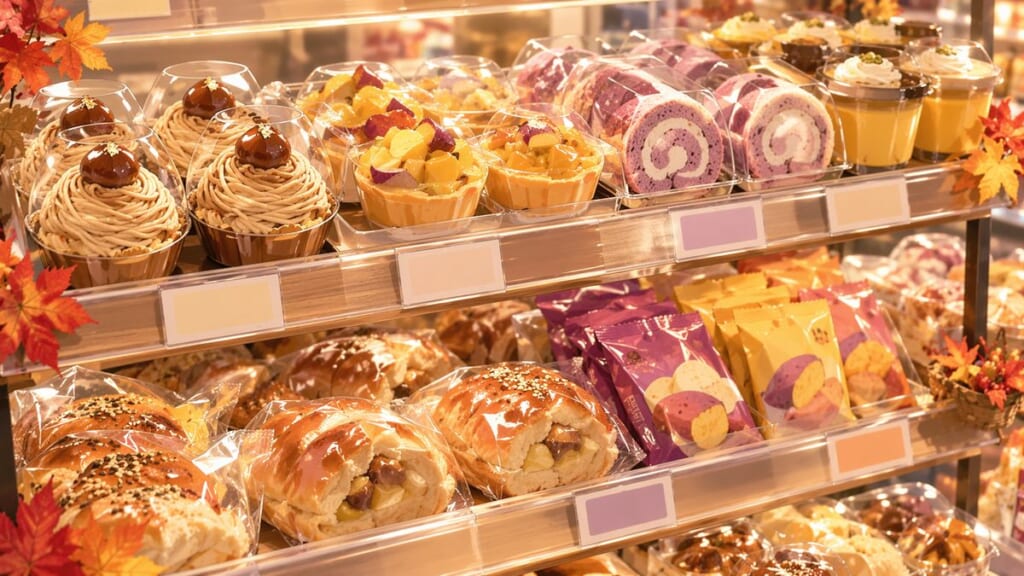
Autumn brings a whole new set of flavors to Japanese convenience stores. Three ingredients you’ll notice are chestnut, sweet potato, and pumpkin, appearing in cakes, pastries, breads, and other sweet treats.
Chestnut desserts often include mont blanc, a cake with thin strands of chestnut cream piled on top. Sweet potato shows up in everything from baked treats to soft desserts, while pumpkin adds another autumn option to the shelves. I’ve been seeing all three kinds of seasonal sweets around my neighborhood lately.
One major chain even runs a sweet potato festival in autumn, bringing several sweet potato products together for a limited time.
And if sweet potatoes catch your attention, there’s another Japanese autumn favorite worth knowing: yaki-imo, or roasted sweet potato. It’s a simple seasonal food with its own place in everyday Japanese life.
Why Japan does it this way
 There’s a Japanese concept called shun (旬), which refers to the time of year when a food is at its seasonal peak. Chestnuts and sweet potatoes are closely associated with autumn, so seeing those flavors in convenience store desserts feels like a small extension of that seasonal food culture.
A packaged dessert isn’t the same as fresh produce, of course. But convenience stores bring out new products all the time, and many people enjoy checking what’s “only for now.”
Then comes chocolate. Around October, winter-only chocolate starts returning to the shelves, including varieties that come back each year when the weather turns cooler.
 I’ve already spotted winter-limited chocolate near me. Autumn sweets and winter chocolate sitting together — apparently, the snack aisle doesn’t believe in waiting for one season to finish before starting the next.
The oden pot and the warm counter come back
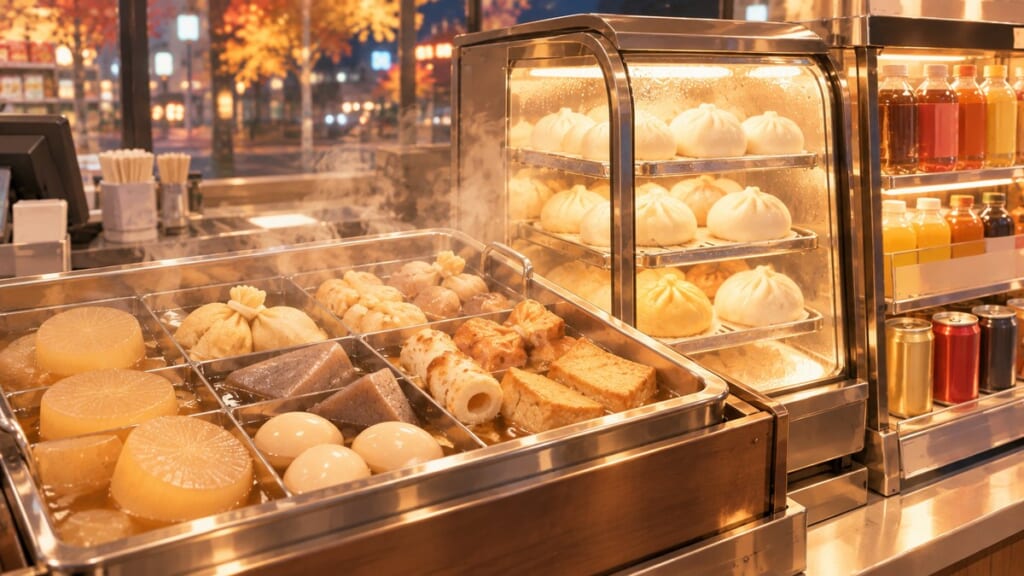
As the weather turns cool, you’ll notice changes beyond the snack shelves, too. Here’s what to look for around the store:
- Oden — ingredients simmered in a seasoned broth, kept warm in a pot by the counter.
- Chukaman — steamed buns in a heated display case. Nikuman have a savory meat filling, and anman are filled with sweet bean paste.
- Hot drinks — warm bottles and cans join the usual cold ones.
My neighborhood convenience store sells oden, so it’s one of my familiar signs of the cooler season. But not every store has an oden pot. Some do, some don’t.
 For steamed buns, just tell the staff at the register what you’d like. If you’re unsure how to order oden, you can ask the staff, too. You don’t need to know everything about oden before giving it a try.
These warm foods don’t all appear on the same date, and the selection depends on the store. If one place doesn’t have them, another nearby store might. That little surprise is part of the fun of a konbini in the cold months.
And if you’re coming in winter, warm buns are only half the plan. Here’s what to pack to stay comfortable outside.
Next up: Christmas cake and New Year
 Here’s one that might catch you off guard: Japanese convenience stores start taking Christmas cake reservations as early as September. Yes, September — when you’re still thinking about autumn snacks, the cake reservations are already beginning.
Major convenience store chains offer Christmas cakes that customers can order in advance. Depending on the chain and the product, reservations may be available through a store, an app, or an online ordering service.
You might notice cake pictures on posters, leaflets, or in-store displays long before December arrives. Those aren’t necessarily cakes you can buy and take home that day. They’re often advertisements for advance orders.
New Year food gets a head start, too. Convenience stores also take reservations for osechi, the special assortment of dishes traditionally associated with Japanese New Year celebrations.
So while you’re checking out chestnut sweets in autumn, you might find information about Christmas and New Year food nearby. The food on the shelves follows the changing weather, while the reservation displays are already looking ahead.
If you’re curious about what happens around New Year in Japan — including what stays open during the holidays — I’ve got a separate guide for that.
How to spot “limited”
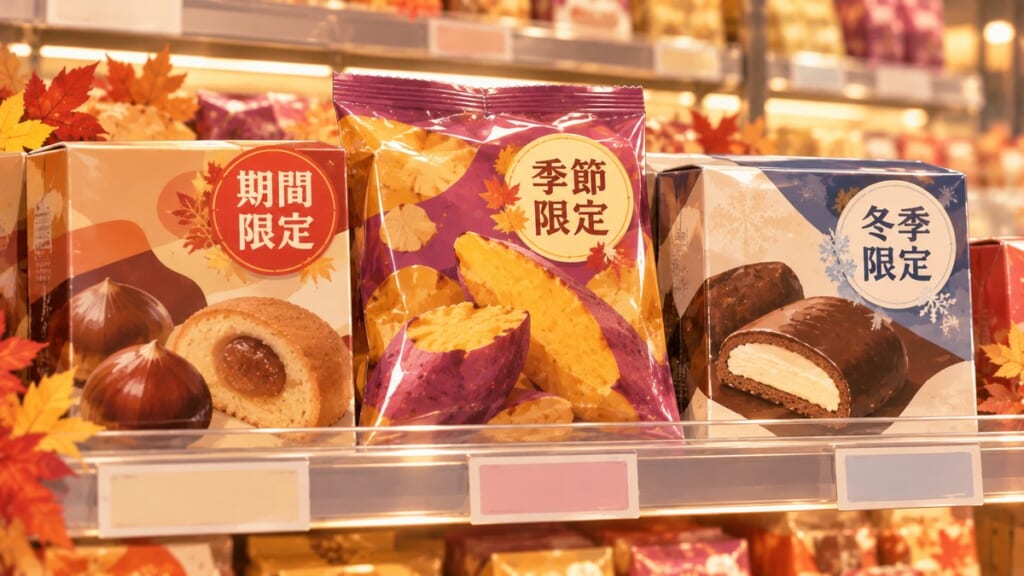
Here’s a tiny Japanese reading lesson that can make your next konbini visit more interesting. You don’t need to read a whole package to recognize that something is seasonal. Just look for these three expressions:
- 期間限定 (kikan gentei) — Limited time. Available only during a particular period.
- 季節限定 (kisetsu gentei) — Seasonal limited edition. Offered for a particular season.
- 冬季限定 (tōki gentei) — Winter limited edition. Offered during the winter season.
The word gentei (限定) means “limited.” Once you recognize those two Japanese characters, you may start noticing them on all sorts of food packages.
 One small catch: the label doesn’t tell you when the product will disappear. Some items are replaced within weeks, while others stay longer. So if something catches your eye during your trip, don’t assume it’ll still be there at the end of your holiday.
Wondering about the little rules of paying and eating at a konbini? Here’s a guide to help you feel comfortable.
Next time you walk into a konbini, try looking for the season before you look for your snack. I’m curious what will catch your eye first — the chestnut desserts, the warm buns, or that little gentei label?
Do convenience stores or shops where you live have seasonal foods, too? I’d love to hear what appears on the shelves when the weather changes. Tell me in the comments!
Thanks for reading! Next time, let’s peek into another little corner of life in Japan.
See you in the next episode.


Comments