
As an Amazon Associate, I earn from qualifying purchases.

Why You Miss Miso Soup After Japan
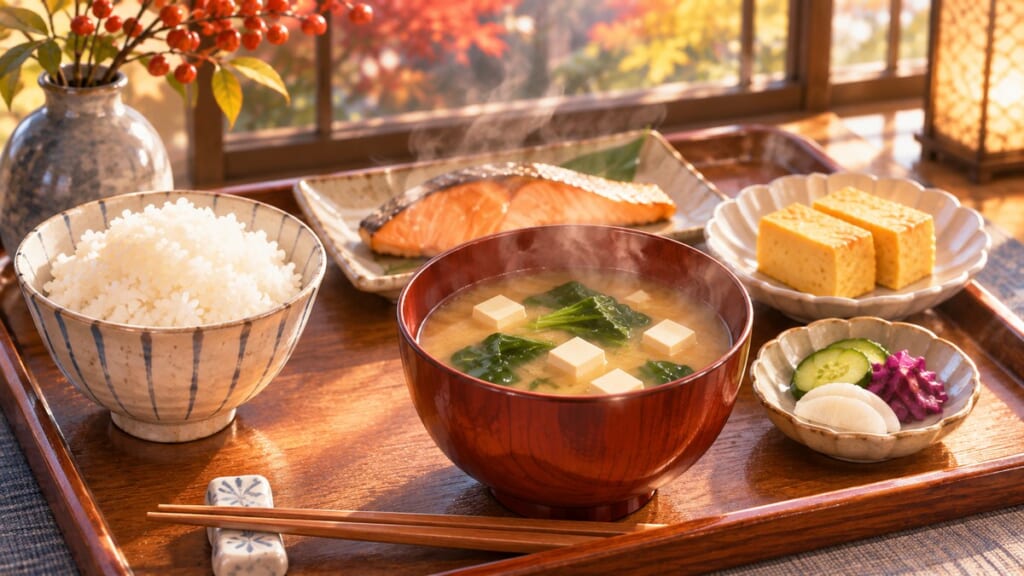
Remember that little bowl of miso soup you kept finding in Japan? It was there with your hotel breakfast, beside a set meal at a restaurant, and even among the ready-to-eat foods at convenience stores. Now you’re home, and somehow, that’s the taste you miss.
 You can make a comforting bowl of everyday Japanese miso soup in about five minutes. All you need is dashi (Japanese soup stock), miso paste, and one or two fillings. Start with awase miso (a blended miso), add instant dashi granules, and use whatever simple ingredients you enjoy.
Your Quick Shopping List


Hon-Dashi — Instant bonito dashi granules.
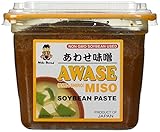

Miko Awase Miso — A blend of red and white miso, without added dashi.


Shirakiku Cut Wakame — Dried seaweed you can keep in your pantry.


Marukome Ryotei no Aji Instant Miso Soup — For evenings when even five minutes feels like too much.
In my home in Japan, miso soup is mainly part of dinner, not breakfast. I use a local Japanese miso brand that’s difficult to find overseas, along with instant dashi granules (Hon-Dashi). For this guide, I’ve selected more widely available Japanese brands based on product information and customer feedback, so you can shop without hunting for the exact ingredients in my kitchen.
Miso soup is especially lovely alongside a bowl of rice. If you’re also thinking about making Japanese rice at home, here’s my guide to whether a Zojirushi rice cooker is worth it.
And if you miss browsing Japanese supermarket foods, you might enjoy my story about Japanese supermarket osozai, too.
What You Need: Dashi + Miso + 1–2 Fillings
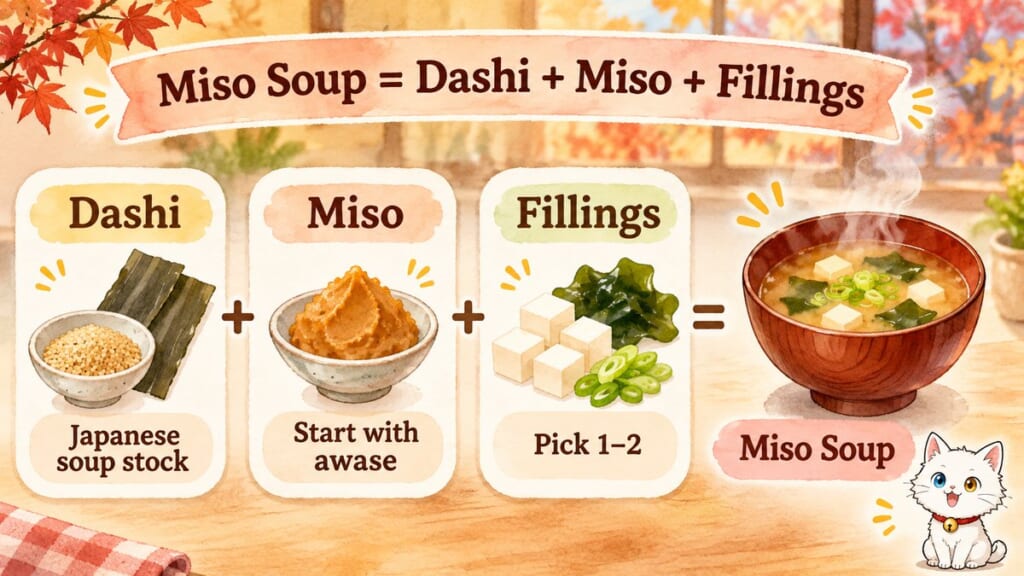
Miso paste and hot water will give you a salty, miso-flavored liquid. But if you’re trying to make the familiar soup you enjoyed in Japan, dashi is the ingredient you don’t want to overlook.
Dashi is Japanese soup stock, and it’s what makes miso soup taste like miso soup. The classic version is made from kombu (dried kelp) and katsuobushi (dried bonito flakes). There are other kinds, too, made from dried mackerel, dried flying fish, chicken, or pork, but kombu and bonito is the standard for miso soup.
Dashi isn’t just for miso soup, either. It’s the base of simmered dishes and so much of everyday Japanese cooking. Honestly, Japanese home cooking hardly works without it.
 Making dashi from scratch every day takes time, so in my kitchen I rely on what I call the magic powder: instant dashi granules. You just sprinkle them into hot water, and the soup suddenly tastes so much better.
- Dashi: Instant granules are the easiest starting point. Dashi packs also work, or choose miso with dashi already added.
- Miso: Start with awase miso for a balanced, savory flavor.
- Fillings: Choose one or two from tofu, wakame, green onions, and aburaage (fried tofu).
My family’s favorite combination is spinach and tofu. I also make miso soup with vegetables such as onions and potatoes, along with mushrooms or shijimi (small freshwater clams).
If your local grocery store has tofu and spinach, you’re already most of the way there. And if you want something that can sit in the pantry until you’re ready, dried wakame is a handy choice.
Why Japan Does It This Way
One reason miso soup fits so naturally into everyday Japanese home cooking is its flexibility. With dashi and miso as the base, you can turn vegetables already in your refrigerator into a different bowl of soup each day.
That same idea works with Japanese hot pot, where the broth and ingredients can change from one meal to another. If you’re curious, here’s how a single pot becomes Japan’s favorite winter dinner.
Step 1: Pick Your Dashi (3 Easy Ways)
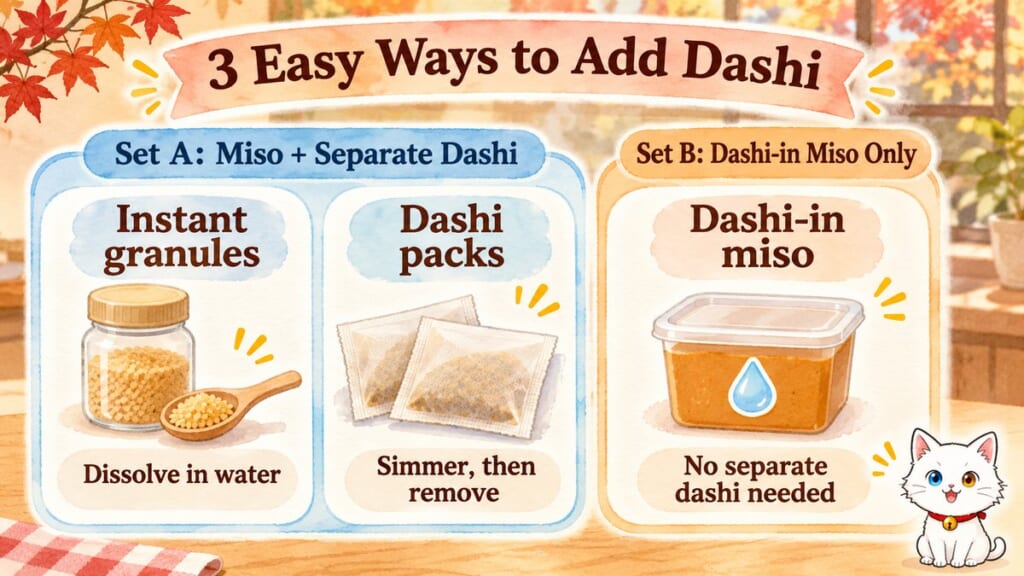
For your first homemade miso soup, I’d choose instant dashi granules. They’re easy to measure, simple to store, and don’t require you to strain anything. That’s also the type of dashi I use at home.
| Type | Convenience | Flavor | Best for |
|---|---|---|---|
| Instant dashi granules | Very quick; dissolve in water | Savory, with a consistent flavor | First-time cooks and busy evenings |
| Dashi packs | Require simmering and removal | Depends on the ingredients in the pack | People who enjoy preparing stock |
| Dashi-in miso | No separate dashi needed | Seasoned together with the miso | People who want fewer ingredients |
Set A: Regular Miso + Separate Dashi
Hon-Dashi is a practical starting point, and it’s the one I use in my own kitchen. It’s an instant bonito (katsuo) stock, so you can dissolve the granules directly in hot water rather than preparing stock separately. The Amazon.com listing identifies the product as being from Japan.
Ajinomoto Hon-Dashi Bonito Soup Stock
Instant bonito dashi granules — the one I use in my own kitchen.
Prices and stock change often — please check the latest on Amazon.
 One thing to check is the ingredient label. The US-market Hon-Dashi ingredient information includes lactose as well as fish-derived ingredients, so it isn’t suitable for everyone who avoids dairy or animal products.
If you prefer a dashi pack, Kayanoya Dashi is another option. It’s sold in convenient sachets, and the Amazon.com product description identifies it as made in Japan.


Kayanoya Original Dashi Stock Powder
Dashi in sachets — simmer, then remove. A different process from the granule recipe.
Prices and stock change often — please check the latest on Amazon.
Dashi packs are a different process from the five-minute granule recipe below. Follow the package instructions for preparing the stock, then add your fillings and miso.
You can also make dashi using traditional ingredients such as Kaneso bonito flakes and WEL-PAC kombu (dried kelp). This is an option if you’d like to explore making stock yourself, rather than taking the quickest route.
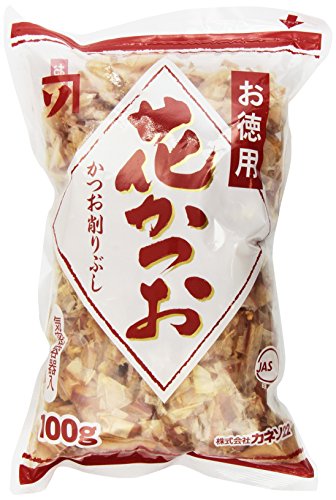
Kaneso Tokuyu Hanakatsuo Bonito Flakes
Dried bonito flakes for making dashi from scratch.
Prices and stock change often — please check the latest on Amazon.
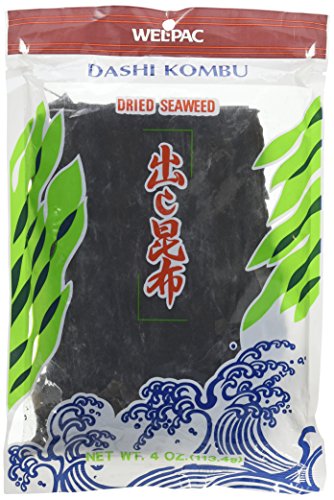
WEL-PAC Dashi Kombu
Dried kelp, the other half of classic dashi.
Prices and stock change often — please check the latest on Amazon.
Set B: Dashi-in Miso Only
If you want fewer things to buy, look for miso paste labeled dashi-in miso or miso with dashi. This type already includes stock seasoning.
 Don’t automatically add Hon-Dashi to dashi-in miso. You’ll be adding another layer of seasoning that may make the soup saltier or stronger than you intended.
Marukome Miso & Easy (Original) is a bottled liquid miso concentrate from a Japanese miso brand. It already contains bonito stock, so you only need to mix it with hot water, following the amounts on the bottle. Shake well before using, and don’t add Hon-Dashi.


Marukome Miso & Easy (Original)
Bottled liquid miso with bonito stock already in it — don’t add Hon-Dashi.
Prices and stock change often — please check the latest on Amazon.
With Set B, your shopping list can be as short as one dashi-in miso product and one filling.
Step 2: Pick Your Miso (Start with Awase)
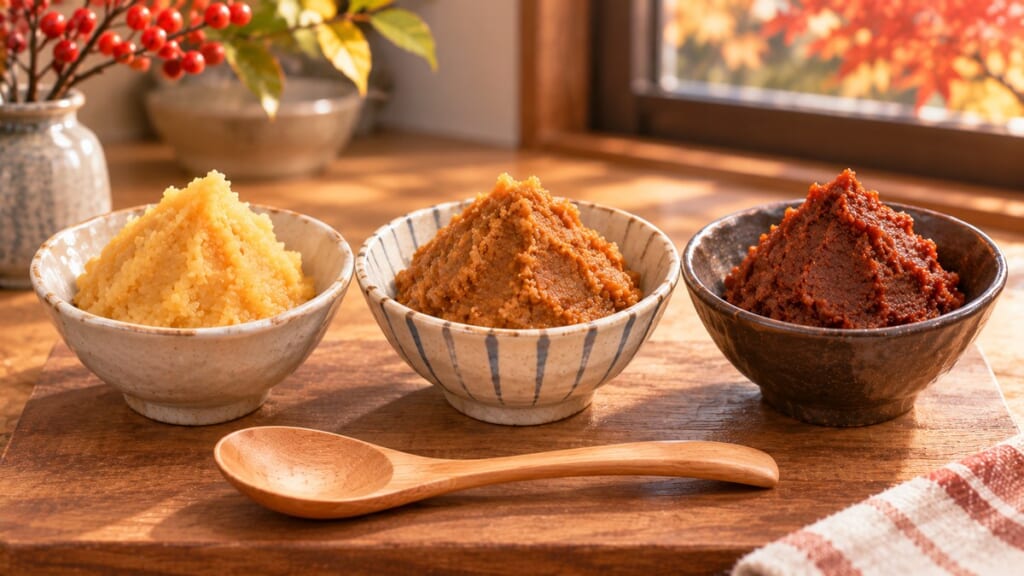
If you’re looking at three tubs labeled red, white, and blended miso, start with awase miso. It gives you a useful starting point for everyday miso soup without committing to a particularly sweet or bold style.
Awase Miso: My First Pick
Miko Awase Miso is my suggested first choice. It blends red and white miso, and its product listing identifies it as a Product of Japan. Unlike Miko’s instant miso soup, this is regular miso paste for cooking.
Miko Awase Miso
A blend of red and white miso with no added dashi — my suggested first tub.
Prices and stock change often — please check the latest on Amazon.
Miko Awase Miso contains no added dashi, making it suitable for Set A. Add Hon-Dashi or your chosen dashi separately.
Light-Colored Miso: A Gentle Alternative
Light-colored rice miso, including many Shinshu-style products, is another good choice. Its flavor depends on the recipe, but it often offers a different balance of saltiness and sweetness from darker varieties.
Eden Organic Shiro (White) Miso is worth considering if you prefer a lighter-colored paste. Its Amazon.com listing says it’s traditionally made in Japan from koji-fermented rice and soybeans, with less sodium than many other misos.


Eden Organic Shiro (White) Miso
A light, organic white miso made in Japan, with less sodium. Not the same as Kyoto’s Saikyo miso.
Prices and stock change often — please check the latest on Amazon.
 There’s one important distinction here: a miso labeled “white” isn’t necessarily the sweet Kyoto-style white miso known as Saikyo miso.
The word “white” alone doesn’t tell you how sweet a miso will taste.
If Eden is out of stock, I’d choose Miko Awase Miso instead.
Red Miso: For a More Pronounced Flavor
Red miso is worth exploring if you prefer a deeper, more assertive flavor, though color alone doesn’t tell you exactly how it will taste. I’d start with awase and try red miso later.
What Happens After You Open the Tub?
You’ll probably use your miso paste across several meals. Follow the label’s storage directions and refrigerate it after opening.
The 5-Minute Miso Soup We Make at Home

This is the order I use when making miso soup at home: boil water, add instant dashi, cook the fillings, turn off the heat, and dissolve the miso.
My family’s favorite fillings are spinach and tofu, but you can use the same basic method with other ingredients. For the quickest version, choose fillings that are already cut or need very little cooking.
Ingredients
For 2 bowls:
- 400 ml (about 1⅔ US cups) water
- 1 tsp instant dashi granules
- 2 Tbsp regular miso paste (without dashi added)
- 1/2 block tofu, cut into small cubes, and a handful of spinach
Step-by-Step Instructions
Step 1: Bring the water to a boil.
Pour the measured water into a small saucepan and heat it until boiling. This is the base for your soup.
Step 2: Add the instant dashi.
Stir the dashi granules into the hot water until dissolved. I use 1 tsp for 400 ml of water; you can adjust it to taste next time.
Step 3: Add your fillings and cook them.
Add tofu and spinach, or your chosen combination, and simmer until the ingredients are cooked as needed. Different fillings take different amounts of time, so the five-minute version works best with quick-cooking ingredients.
Step 4: Turn off the heat and dissolve the miso.
I put the miso in a ladle, lower it into the hot broth, and use chopsticks to gently dissolve the paste. This helps it mix through the soup instead of leaving a lump at the bottom.
Avoid boiling the soup after adding the miso, because prolonged high heat can reduce some of its delicate aroma.
Step 5: Serve your miso soup.
Once the miso is dissolved, the soup is ready to pour into bowls. You can adjust future batches to suit your taste, using the package directions as your starting point.
What If You Don’t Have Fresh Fillings?
Shirakiku Cut Wakame is a convenient pantry ingredient for evenings when you don’t want to spend time chopping vegetables. It’s dried seaweed, so be mindful that it expands when rehydrated.
Shirakiku Cut Wakame
Dried seaweed for the pantry. It expands when rehydrated, so start with a little.
Prices and stock change often — please check the latest on Amazon.
Wakame can be paired with tofu or green onions for a simple miso soup. Follow the package’s preparation instructions, especially if it calls for soaking or rinsing.
The Reyer Miso Muddler is an optional stainless-steel tool that lets you scoop, measure, and dissolve miso directly in the pot. You don’t need one to start; I use a ladle and chopsticks.


Reyer Miso Muddler
An optional tool that scoops, measures, and dissolves miso in the pot.
Prices change often — please check the latest price on each store.
For a five-minute bowl, choose quick-cooking fillings rather than raw potatoes.
Busy Day? Easy Instant Miso Soup
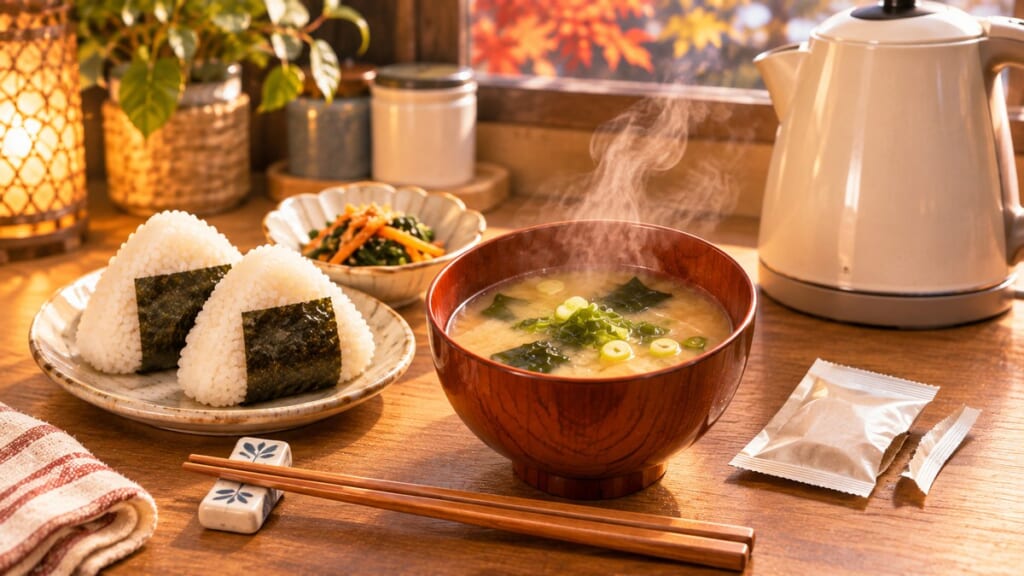
 Some evenings, even a five-minute recipe is more effort than you want to make. I use instant miso soup at home on busy days, too.
Two Instant Options to Keep in Your Pantry
Marukome Ryotei no Aji Instant Miso Soup is one option to look for on Amazon.com. It’s especially useful if your main goal is to make a bowl of miso soup without buying separate miso and dashi.
Marukome Ryotei no Aji Instant Miso Soup
Instant miso soup for evenings when even five minutes feels like too much.
Prices and stock change often — please check the latest on Amazon.
Miko Instant Miso Soup is another option if you’d like to keep a convenient backup in your pantry. Check the package for its included ingredients and preparation directions.

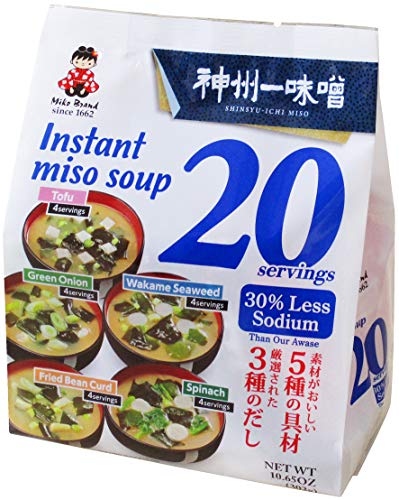
Miko Instant Miso Soup
Another instant option to keep as a pantry backup.
Prices and stock change often — please check the latest on Amazon.
What You’ll See in Japanese Supermarkets
In Japanese supermarkets and convenience stores, you’ll find freeze-dried miso soup that reconstitutes with hot water and fresh-paste-style instant soup containing portioned miso, sometimes with separate dried ingredients.
There are plenty of ordinary Japanese foods worth noticing in those shops. If you enjoy spotting seasonal surprises, have a look at what autumn and winter bring to the konbini.
You can also take miso soup for lunch in a suitable food jar, provided you follow the container’s food safety and temperature instructions. My Zojirushi food jar guide covers that option in more detail.
Can You Bring Miso Back from Japan?

If you find a miso paste you love during your next visit to Japan, you might wonder whether you can pack it in your suitcase. For travel to the United States, you must declare agricultural and food products to US Customs and Border Protection (CBP).
Declaring an item doesn’t guarantee that it will be admitted. The authorities determine whether the particular product meets the applicable entry requirements.
Check the ingredients carefully, especially for meat extracts or other meat-derived ingredients. Meat-containing soups and related products may be restricted or prohibited, depending on their contents and origin.
Official source: US Customs and Border Protection — Bringing Agricultural Products into the United States
For flights departing Japan, miso is treated as a liquid at airport security, so containers over 100 ml should go in checked baggage. TSA applies a similar 3.4 oz (100 ml) limit to pastes at U.S. security checkpoints.
Official sources: Narita Airport — Prohibited Items FAQ · TSA — Liquids Rule
If you’re able to buy the miso you want from Amazon.com, that may be the simpler option. You’ll have more suitcase space for other things you discover in Japan, and you can return to the ingredients in Steps 1 and 2 whenever you want another bowl.
Shopping List
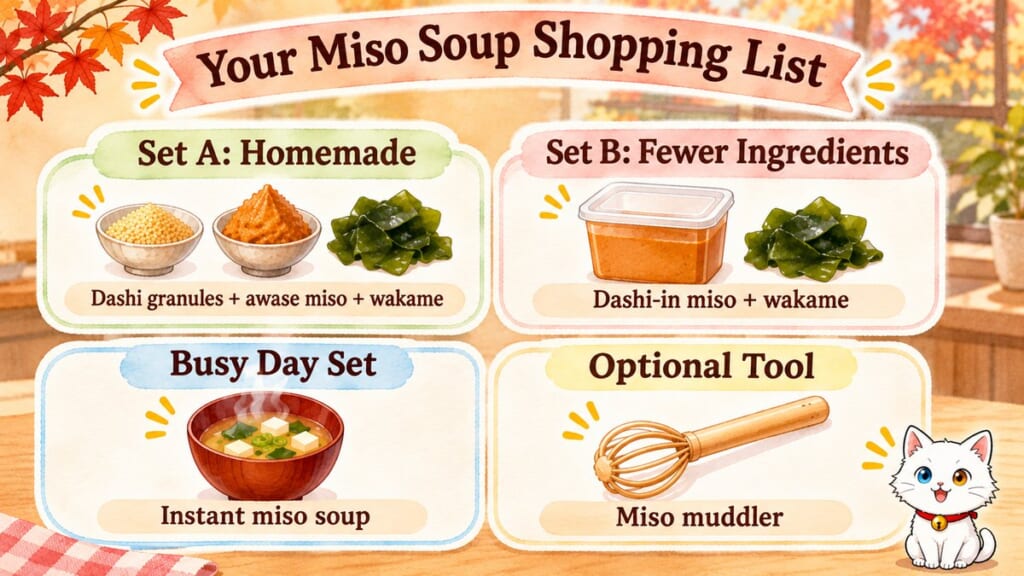
You don’t need to buy every product in this guide. Pick one of the two homemade sets, or choose instant miso soup if convenience matters most.
Set A follows the method I use at home: separate instant dashi and regular miso. Set B uses dashi-in miso, so there’s no need to add separate dashi.
| Category | Product |
|---|---|
| Set A: Homemade miso soup |
Hon-Dashi — instant dashi granules |
| Set A |
Miko Awase Miso — red and white miso blend without added dashi |
| Set A |
Shirakiku Cut Wakame — dried seaweed filling |
| Set B: Dashi-in miso |
Marukome Miso & Easy (Original) — bottled liquid miso with bonito stock; don’t add Hon-Dashi |
| Set B |
Shirakiku Cut Wakame — dried seaweed filling |
| Busy Day Set |
Marukome Ryotei no Aji — instant miso soup |
| Busy Day Set |
Miko Instant Miso Soup — alternative instant option |
| Optional Tool |
Reyer Miso Muddler — scoop, measure, and dissolve miso |
Which Set Should You Choose?
If you’re planning to make miso soup regularly, I’d start with Set A. You can adjust the dashi and miso separately, swap the fillings, and become familiar with the basic process.
For fewer ingredients, choose Set B with Marukome Miso & Easy. For the busiest evenings, keep instant miso soup handy.
You might also enjoy browsing Japanese food and household gifts that can be ordered without another trip. I’ve collected ideas in Japanese Gifts You Can Buy Without Going to Japan.
FAQ
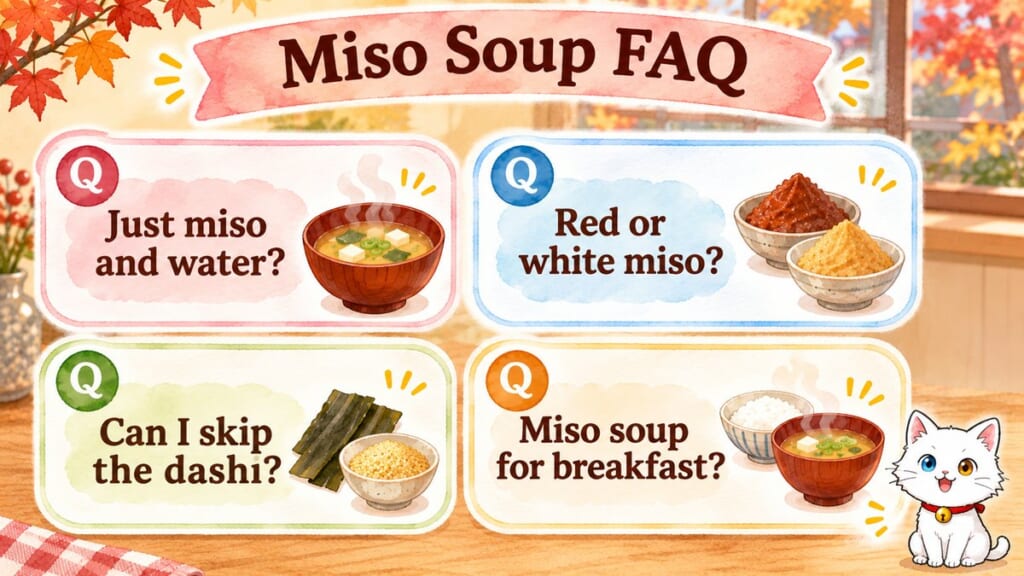
Is miso soup just miso paste and water?
You can dissolve miso paste in hot water, but traditional miso soup usually includes dashi for a fuller savory flavor. For a simple homemade bowl, choose regular miso, dashi, and one or two fillings—or use dashi-in miso instead.
Should I use red or white miso paste for miso soup?
Either can work, but I recommend starting with awase miso if you’re unsure. Red miso often has a more pronounced flavor, while the sweetness and saltiness of white or light-colored miso vary by product.
Can you make miso soup without dashi?
Yes, although the flavor will be different because you’ll lose much of the savory depth that stock provides. If you don’t want to buy separate dashi, choose a dashi-in miso and follow its preparation directions.
Do Japanese people have miso soup for breakfast?
Some Japanese households serve miso soup at breakfast, while others enjoy it at dinner or other meals. You may remember it from hotel or ryokan breakfasts in Japan, but in my family, miso soup is mainly a dinner dish.
Final Thoughts

 You don’t have to wait for your next trip to Japan to enjoy a familiar bowl of miso soup. Start with one dashi, one miso, and a filling you like, and you can make a simple Japanese home-style soup in your own kitchen.
For me, the combination of spinach and tofu is a family favorite. Your favorite might turn out to be something different, and that’s part of making this little Japanese habit your own.
This is the first article in my Missing Japan? series, where I share ways to bring familiar Japanese foods into your home.
And if you’re already dreaming about going back, my 7-step Japan trip planning guide can help you plan another visit.
What do you miss most from Japan? Tell me in the comments. Maybe it’ll be the next thing I explore in this series.
I hope this guide has answered one of your questions and helped you feel a little closer to Japan.
May your Japan journey be filled with wonderful discoveries and memories you’ll treasure for years to come.
See you in the next guide.




Comments