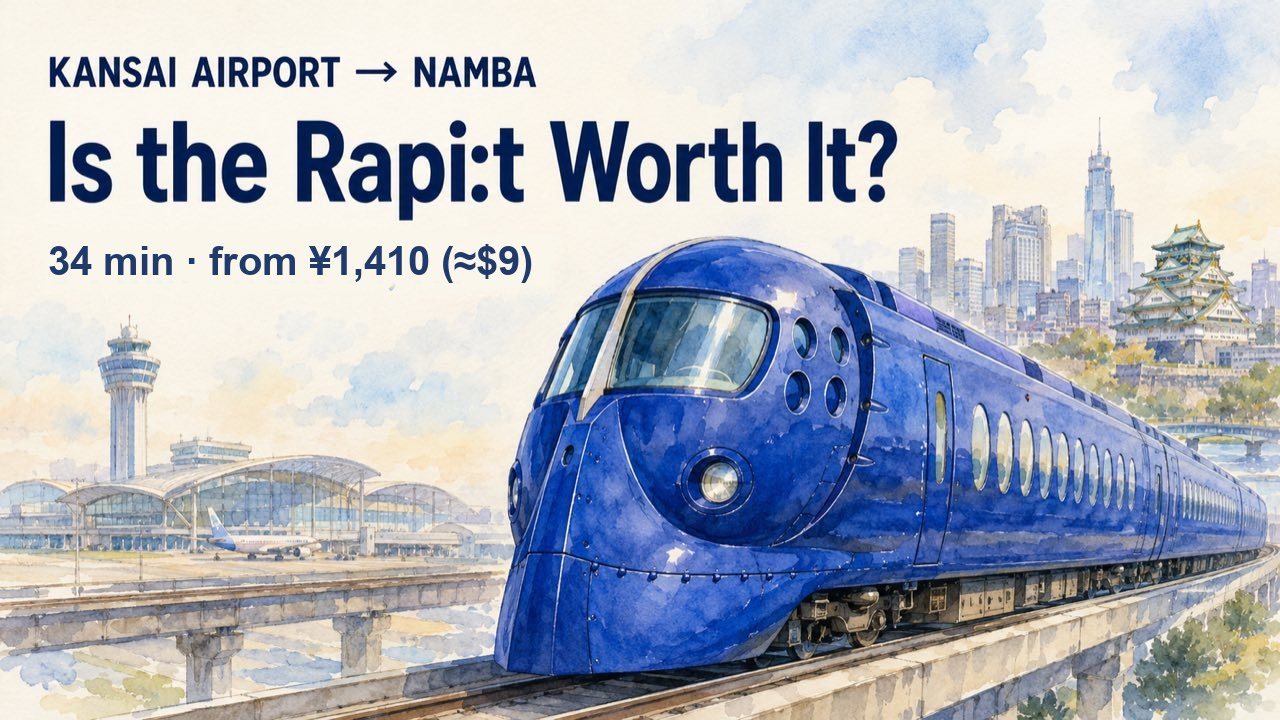
Landing at Kansai Airport and heading to Namba? Your first train ride in Japan doesn’t have to be the boring part. The deep-blue Rapi:t limited express reaches Nankai Namba Station in as little as 34 minutes, gives you a guaranteed reserved seat — and looks a little like a retro anime robot.
In this guide, I’ll walk you through the real 2026 fares (they changed in April, and much of the internet hasn’t caught up), the easiest ways to buy your ticket, where your suitcase goes, and when another train is the better choice. Let’s get you into the city.

Disclosure: This article contains affiliate links. If you book through one, I may earn a small commission at no extra cost to you.
In a hurry? Here’s the one link you need:
- Rapi:t e-ticket on Klook — see today’s price and skip the ticket machine line
Prices and seats change by date — check yours before you land.
- You’ve Just Landed at Kansai Airport — Now What?
- What Is the Rapi:t, Exactly?
- How Much Does the Rapi:t Cost in 2026?
- How to Buy Your Rapi:t Ticket (3 Easy Ways)
- Regular or Super Seat? (And Where Your Suitcase Goes)
- So, Should You Take the Rapi:t? Here’s My Answer for Each Situation
- Quick Recap: Your Rapi:t Cheat Sheet
You’ve Just Landed at Kansai Airport — Now What?
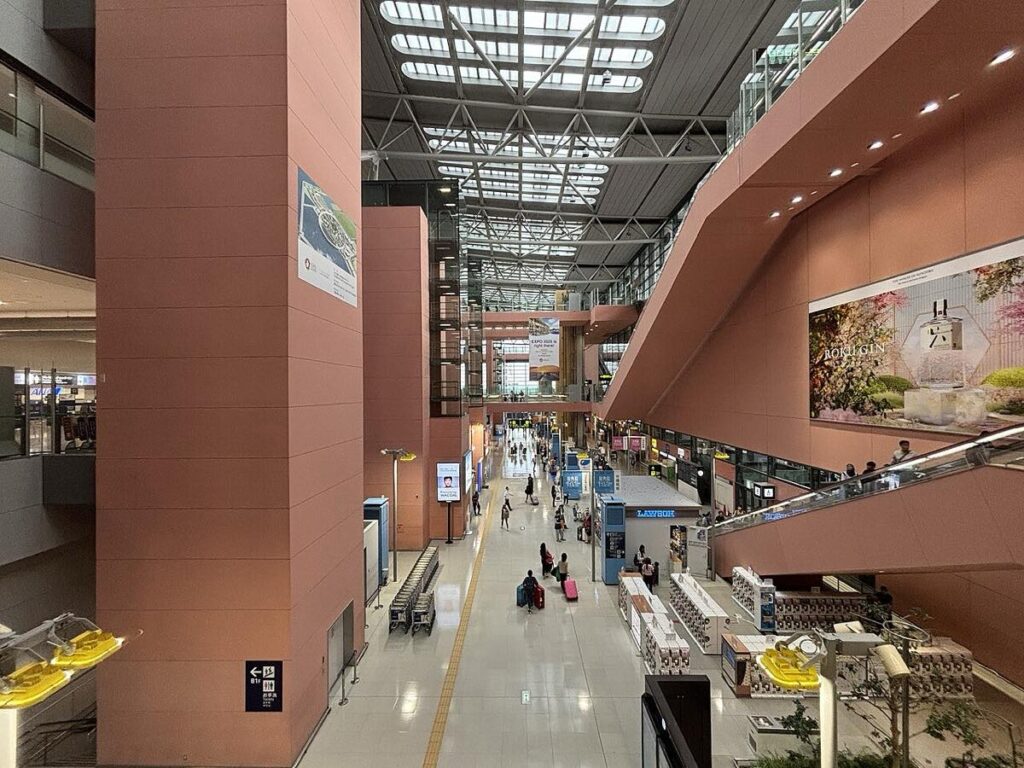
Photo: Fotointheworld, CC BY 4.0, via Wikimedia Commons
After a long international flight, the last thing you want is a puzzle. But that’s exactly what greets you at Kansai Airport — trains, buses, taxis, and a wall of signs, all competing for your attention while you’re dragging a suitcase through a fog of jet lag.
So let me make this simple. If you’re heading to Osaka, one of those options isn’t just transportation — it’s a deep-blue, retro-futuristic express train called the Rapi:t, and riding it feels less like a commute and more like the first fun thing you do in Japan.
 I’ve ridden it myself — and honestly, my kid was the one who begged to get on. So let me show you why it’s worth considering.
What Is the Rapi:t, Exactly?
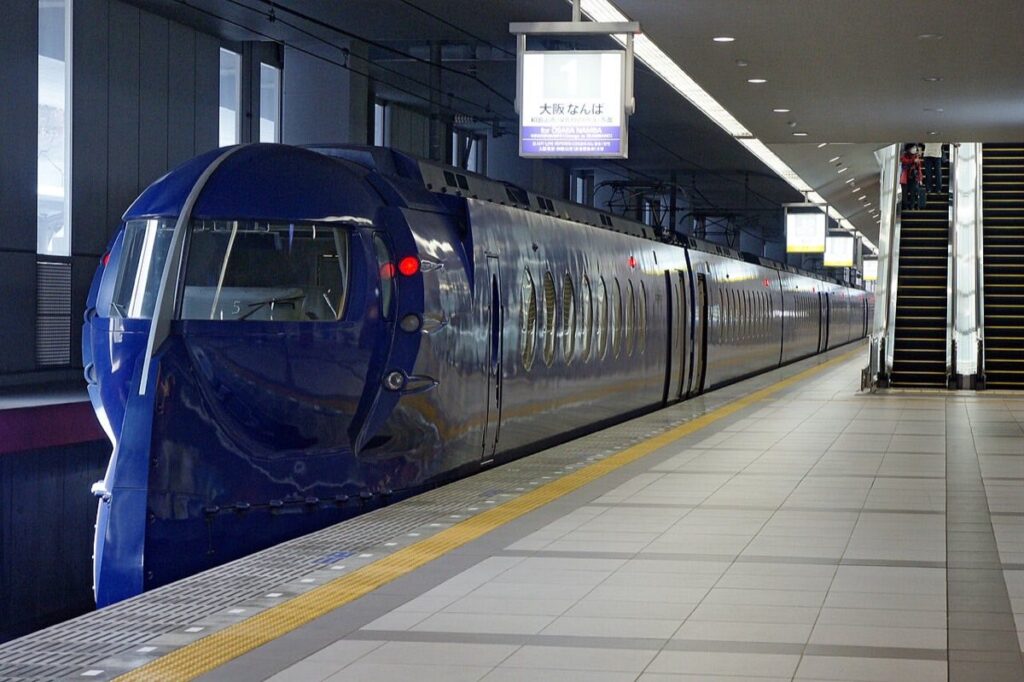
Photo: 663highland, CC BY 2.5, via Wikimedia Commons
The Rapi:t is Nankai Railway’s airport express, running between Kansai Airport and Nankai Namba Station in the heart of Osaka. Every seat is reserved, so you won’t have to compete for a seat. Travel time varies by service: Rapi:t α trains make fewer stops and get there in as little as 34 minutes, while Rapi:t β trains stop at a few more stations and take closer to 40.
 One naming note before we go on: the train arrives at Nankai Namba Station — not JR-Namba or Osaka-Namba, which are separate stations nearby. Keep that in mind when you check the walking route to your hotel.
Nankai Namba is also where Nankai’s sightseeing train to Koyasan departs. If a temple visit is on your list, see GRAN Tenku Train to Koyasan: Is It Worth It?
 Now, the real reason to choose it: the way it looks. Launched on September 4, 1994 — the same day Kansai International Airport opened — the Rapi:t was designed with a “retro-future” concept by Japanese architect Hiroyuki Wakabayashi. Its bold, rounded front looks almost like a robot’s face, and it’s often compared to Tetsujin 28, the classic Japanese anime character released in English-speaking markets as Gigantor. The resemblance was never the official design inspiration — but once you see it, it’s hard to unsee.
The distinctive porthole-style windows add to that “1950s vision of the future” charm, making this one of the rare airport trains people stop to photograph before boarding.
And here’s the part that surprises most travelers: all of this costs only a little more than a regular train. Let’s talk numbers.
How Much Does the Rapi:t Cost in 2026?
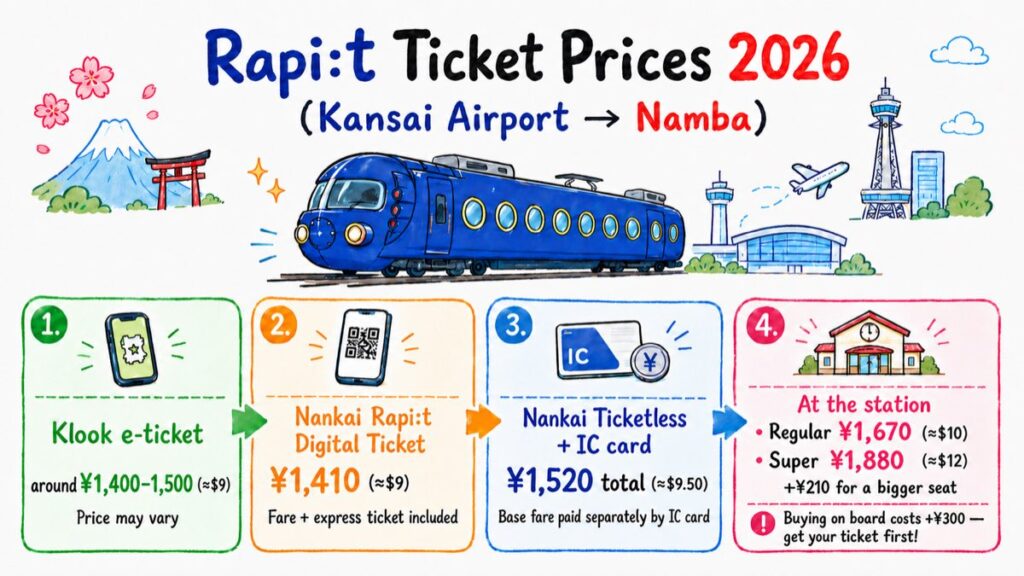
Here’s something worth knowing: Nankai revised its Rapi:t limited-express fares on April 1, 2026, and many pages online still show the previous prices. So let me give you the fares as they actually are, for Kansai Airport ⇄ Nankai Namba.
| How you buy | Price | Good to know |
|---|---|---|
| Regular Seat at the station | 1,670 yen (about US$10) | 970 yen base fare + 700 yen express ticket |
| Super Seat at the station | 1,880 yen (about US$12) | 970 yen base fare + 910 yen Super Seat express ticket |
| Nankai Rapi:t Digital Ticket (official QR ticket) | 1,410 yen (about US$9) / Super Seat 1,590 yen (about US$10) | Base fare and express ticket in one QR code; children 710 / 910 yen |
| Nankai Ticketless + IC card | 1,520 yen (about US$9.50) total | 550 yen online express ticket + 970 yen base fare paid separately (e.g. ICOCA) |
| Kanku Tokuwari Rapi:t Ticket (station discount ticket) | 1,560 yen (about US$10) / Super Seat 1,740 yen (about US$11) | Children 780 / 980 yen |
| Klook e-ticket | around 1,400–1,500 yen (about US$9) | Price and conditions vary — check the current terms |
Dollar amounts are rough estimates at about 160 yen to the US dollar — check the current rate before you go.
A note for families: children ages 6–11 pay the child fare. Rules for children under six depend on whether they need their own reserved seat, so check the current ticket conditions before you buy.
One small warning from me: if you hop on without an express ticket, buying it on board costs an extra 300 yen. Nobody wants to start their trip with a small penalty, so sort out your ticket before you board — I’ll show you exactly how in the next section.
Even at the full station price, you’re paying about the cost of a quick airport lunch for a reserved seat on the most photogenic train in Osaka. That’s essentially all you’re paying extra for.
 See today’s Rapi:t e-ticket price on Klook.
How to Buy Your Rapi:t Ticket (3 Easy Ways)
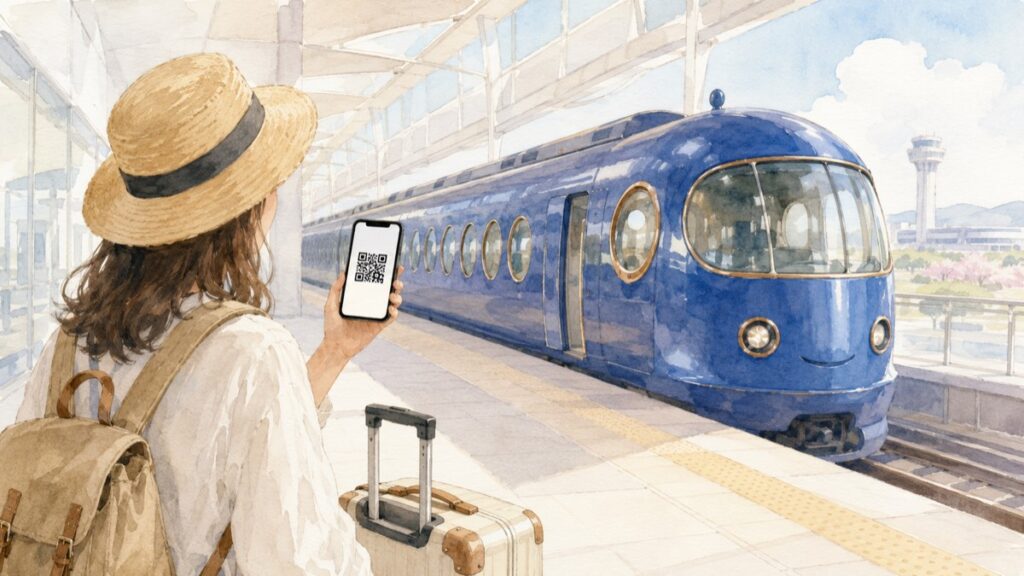
For travelers, it comes down to three main options. Here they are, from most planning to least.
1. Klook e-ticket
Klook sells Rapi:t e-tickets for about US$9 (around 1,400–1,500 yen) — a touch under the station price, and about the same as Nankai’s own Digital Ticket. Prices and terms can change, so check the current conditions before purchasing. You can buy it on your phone even after you land. After you buy, you reserve your actual seat online — pick the date, train, and seat — and you’ll get a QR code for boarding. Two things to know: this ticket is for foreign visitors on a temporary-visitor stamp only, and child tickets (ages 6–11) aren’t sold on Klook, so families buy those at the station.
Check the current Rapi:t e-ticket price on Klook.
2. Nankai Rapi:t Digital Ticket (official)
 Nankai’s own digital ticket costs 1,410 yen for a Regular Seat or 1,590 yen for a Super Seat — and unlike most options, it includes both the base fare and the express ticket in a single QR code. Buy it online, pick your travel date, train, and seat (you can reserve until five minutes before departure), then scan your phone at a designated ticket gate. It even comes with shopping coupons for the Namba station-area malls.
Both digital tickets live on your phone, so make sure you’ll have data the moment you land — my Japan eSIM guide compares the options if you haven’t picked one yet.
3. At the station
Ticket machines and the counter at Kansai Airport Station sell Rapi:t tickets on the spot, with English menus available. A Regular Seat costs 1,670 yen and a Super Seat 1,880 yen. That’s actually how I bought mine — and it’s still a perfectly good option if you’d rather wait until you arrive.
A small extra for IC-card users: Nankai also offers a separate Ticketless service for the express part only. The online express ticket costs 550 yen, but you still pay the 970 yen base fare separately, usually by tapping in with an IC card such as ICOCA.
Which brings up the thing that trips up a lot of travelers: an IC card alone covers only the 970 yen base fare. To ride the Rapi:t, you also need a reserved-seat express ticket. If you want one QR code that covers everything, that’s exactly what the official Digital Ticket above is for.
One more location tip: Kansai Airport Station is directly connected to Terminal 1. If you arrive at Terminal 2, take the free shuttle bus to Aeroplaza near Terminal 1 first — it takes about 7–9 minutes.
Regular or Super Seat? (And Where Your Suitcase Goes)
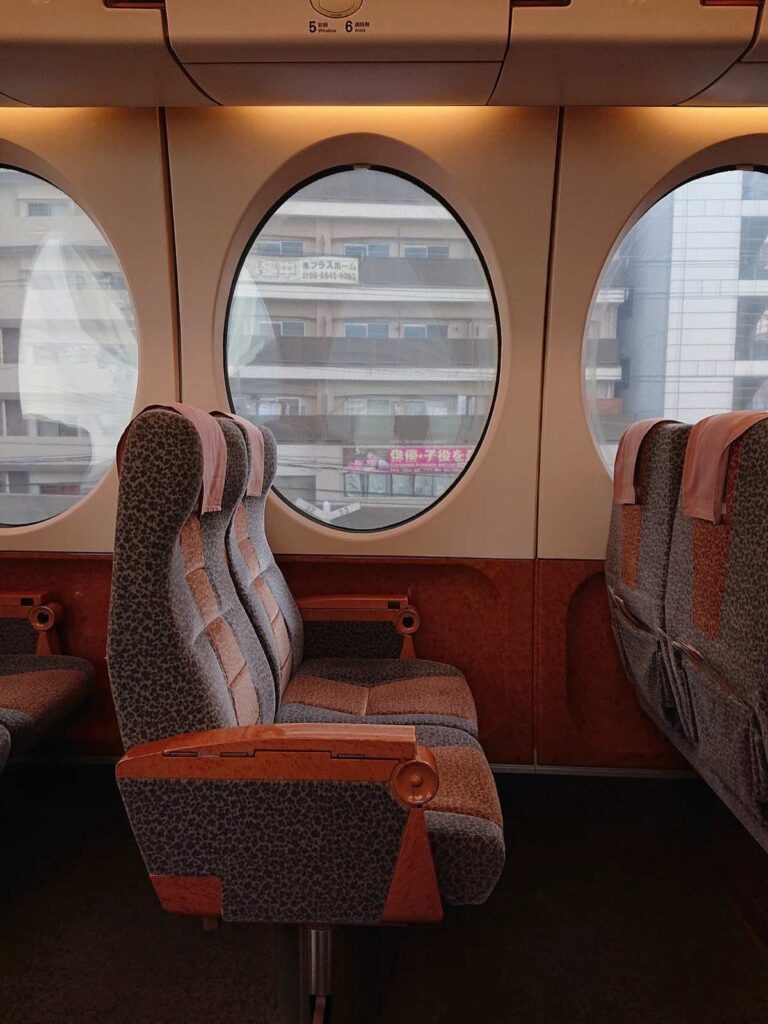
Photo: Cheng-en Cheng, CC BY-SA 2.0, via Wikimedia Commons
 Here’s my honest answer: the Regular Seat is all most travelers need. That’s the one I rode, and it never felt like the “budget” option.
The train was nearly empty when I rode it, so the journey felt surprisingly peaceful. What stayed with me most was those round windows. They’re lovely up close, and the deep blue design carries through in a way that makes even the inside feel special. My kid was the one who wanted to ride it, but I think I enjoyed it just as much.
So is the Super Seat worth it? For a couple hundred yen more, you get a wider, roomier seat in a three-across layout instead of four, in cars 5 and 6. If you’re tall, or you just want your first train in Japan to feel a little fancy, go for it. If not, you’re truly not missing out.
As for luggage: the Rapi:t has dedicated luggage areas at the ends of the cars, big enough for large suitcases and fitted with security wires — so you won’t need to lift a heavy bag into an overhead rack. Do note the luggage space is shared, not reserved, and can fill up on busy trains. The overhead shelf itself only takes carry-on-size bags.
So, Should You Take the Rapi:t? Here’s My Answer for Each Situation
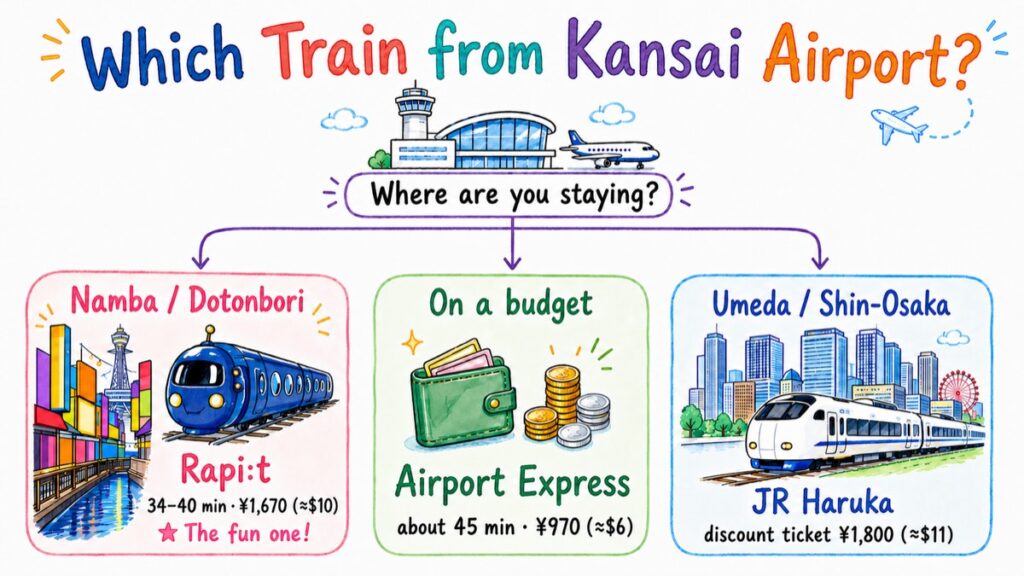
I’ll keep this simple — find your situation below, and that’s your answer.
Staying in Namba or Dotonbori: Take the Rapi:t to Nankai Namba Station, then walk or take a short subway ride to your hotel. Check your hotel’s nearest station — some parts of the area are farther from Nankai Namba than they look on the map.
Staying near Shinsaibashi: Same answer, plus one stop: ride to Nankai Namba, then take the Osaka Metro Midosuji Line one station to Shinsaibashi.
Traveling on a tight budget: Take Nankai’s Airport Express instead — same route to Namba, 970 yen (about US$6), about 45 minutes, and you can just tap in with an IC card. It’s a regular commuter train, so no reserved seats and no round windows, but it gets the job done.
Staying near Umeda (Osaka Station) or Shin-Osaka: The JR HARUKA express is your train — it stops at Tennoji, Osaka Station, and Shin-Osaka. Eligible international visitors can buy the discounted HARUKA One-way Ticket for 1,800 yen (about US$11) to Osaka or Shin-Osaka; passport requirements apply. The budget alternative is the JR Kansai Airport Rapid Service, around 1,180 yen to Osaka Station, taking about 65–75 minutes.
 Arriving late at night: As of mid-2026, the last Rapi:t leaves Kansai Airport at 23:00 on weekdays (22:55 on weekends and holidays), the last Airport Express at 23:55, and the last HARUKA even earlier, at 22:16. After that, your options shrink fast: there’s a late-night bus to Osaka (Umeda) Station for 2,700 yen — cashless payment only — but no late bus to Namba, so it’s a taxi or a long wait at the airport. If you land after 10 p.m., check the timetables before you get too comfortable.
My honest summary: the Rapi:t isn’t the only good way into Osaka — but if Namba is your destination, it’s the one that turns a boring airport transfer into a little event. And for about US$9–10, that’s an easy yes from me.
Planning the rest of your Osaka trip? I’ve also crunched the numbers on whether the USJ Express Pass is worth it and whether you really need a JR Pass in 2026 — same honest treatment as this guide. Visiting between September and early November? The park runs its Halloween season then, which changes both the crowds and which pass you should buy: here’s the Halloween version.
The Rapi:t ends at Namba, so it earns its price when your hotel is in Minami — Namba, Shinsaibashi, Dotonbori. If you have not booked yet, start there and let the hotel decide the train, rather than the other way round. Compare Osaka hotels on Agoda.
Quick Recap: Your Rapi:t Cheat Sheet
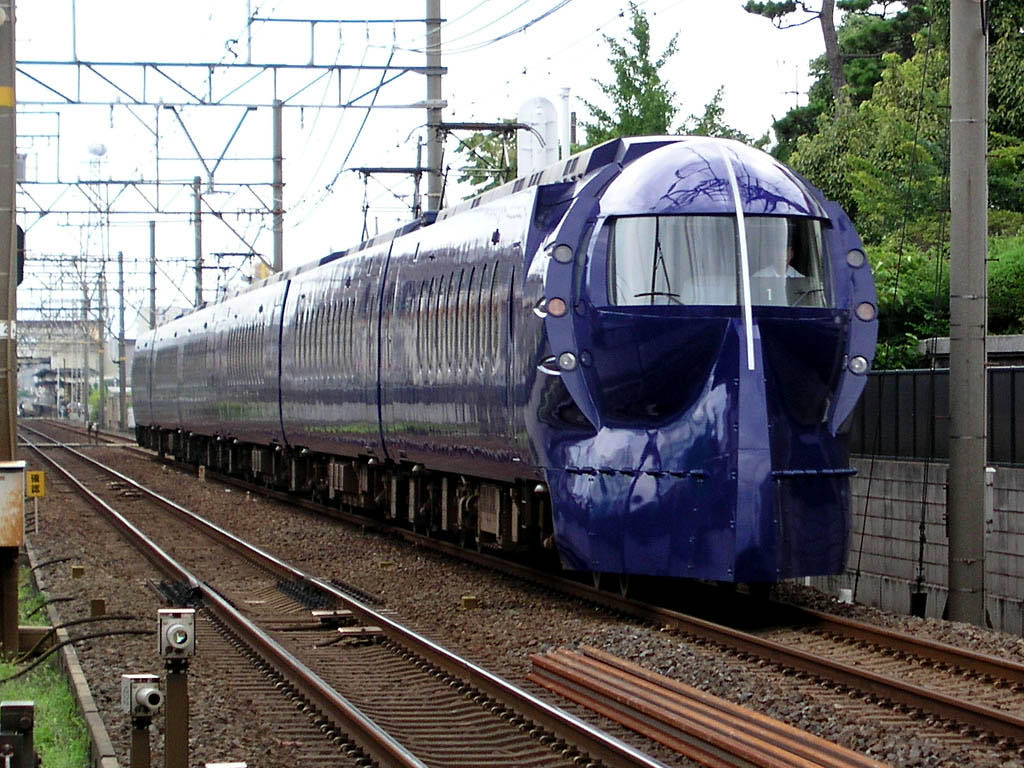
Photo: Kansai explorer, CC BY-SA 3.0, via Wikimedia Commons
 Here’s everything you need, in thirty seconds:
- The Rapi:t connects Kansai Airport with Nankai Namba Station in as little as 34 minutes, and all seats are reserved.
- A Regular Seat costs 1,670 yen at the station; Nankai’s official Rapi:t Digital Ticket is 1,410 yen and includes both the base fare and the express ticket in one QR code.
- Klook’s e-ticket runs about US$9 — roughly the same as the official Digital Ticket, and prices can change.
- An IC card alone is not enough — you also need a reserved-seat express ticket.
- Arriving at Terminal 2? Take the free shuttle bus to Aeroplaza near Terminal 1 before heading to the station.
- Staying near Umeda or Shin-Osaka instead? The JR HARUKA is usually the more convenient choice — see my full Haruka guide (fares & discount ticket).
If Namba is where your Osaka story begins, let it begin with the deep-blue train with the robot face. Your jet lag will thank you, and your camera roll will too.
Check Rapi:t e-ticket prices on Klook →
 Now I’m curious about your side of the world — is there a train or bus in your country that people ride just for the fun of it? Tell me in the comments below. I read every single one!
I hope this guide has answered one of your questions and helped you feel a little closer to Japan. May your Japan journey be filled with wonderful discoveries and memories you’ll treasure for years to come.
Wondering how the Rapi:t fits into a whole trip? It’s the last ride in my 10-day Japan itinerary, priced out day by day.
See you in the next guide. 




.jpg)

Comments