As an Amazon Associate, I earn from qualifying purchases.
Quick list: every food jar linked in this guide
- For kids (Amazon US): 10 oz SW-LA30, 14 oz SW-LA40
- For an adult’s soup (Amazon US): 18 oz SW-KA52H, 17 oz SW-EAE50
- For a big lunch (Amazon US): 25 oz SW-KA75H, 25 oz SW-FCE75
- Rice, soup and sides (Amazon US): Mr. Bento SL-JBE14, Ms. Bento SL-NCE09
- Ordering from Japan (Amazon Japan): 300 ml SW-LA30, 400 ml SW-LA40, 520 ml SW-KA52 (Japanese version)
Temperatures in this guide are Zojirushi’s published six-hour test figures, not guaranteed lunchtime temperatures.
There’s nothing more disappointing than opening your lunch at noon and finding that the soup you packed steaming hot in the morning has turned lukewarm. And when you’re packing lunch for someone you love, you really want them to enjoy it warm.
In my Japanese home, I use a Zojirushi food jar mainly for my husband’s work lunch. I fill it with miso soup, tonjiru (pork and vegetable miso soup), or other soups and stews, and I always preheat the jar with boiling water first. With that routine, I haven’t had a problem with his lunch going cold.
But choosing a Zojirushi isn’t as simple as picking your favorite color. A 10 oz jar and a 25 oz jar have different heat-retention ratings, and even two jars of the same size can perform differently in Zojirushi’s official tests.
Here’s how to find the right one for your family’s lunch.
Quick picks — jump to the size you need
For kids
For an adult’s soup
For a big lunch

- Quick Answer: Which Zojirushi Food Jar to Buy
- How Hot Does Each Model Stay After 6 Hours?
- Hot Is Not the Same as Safe: The 140°F Rule
- Why Your Food Went Cold (and How to Fix It)
- For Kids: Can They Open It? Is It Too Hot?
- Mr. Bento and Ms. Bento: Rice, Soup, and Sides
- What About Thermos? (and the 2026 Recall)
- Cleaning the Lid and Gasket (and Spare Parts)
- Frequently Asked Questions
- A Warm Lunch Starts with the Right Size
Quick Answer: Which Zojirushi Food Jar to Buy
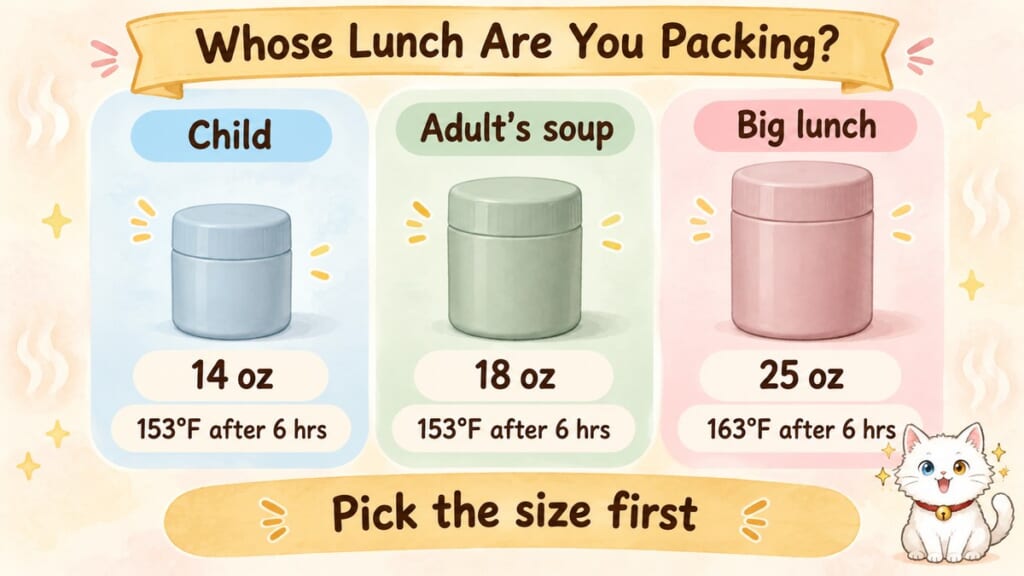
 Your first decision isn’t which jar has the highest number. It’s whose lunch you’re packing and how much they’ll actually eat.
For a child who wants a small serving of soup alongside lunch, a 10–14 oz jar is a reasonable place to start. For an adult taking soup as a substantial part of lunch, look around 18 oz; for a larger meal, consider 25 oz.
| Whose lunch? | My pick | Capacity | After 6 hours (official test) |
|---|---|---|---|
| Child |
  |
14 oz / 0.4 L | 153°F (67°C) |
| Adult’s soup |
  |
18 oz / 0.52 L | 153°F (67°C) |
| Big lunch |
  |
25 oz / 0.75 L | 163°F (73°C) |
 Temperature figures are from Zojirushi’s specified six-hour test conditions. They are not guaranteed lunchtime food temperatures.
For a child, I’d start with the 14 oz SW-LA40. Its published six-hour rating is higher than the smaller 10 oz SW-LA30, while its capacity remains suited to a modest lunch portion. If your child normally eats only a little soup, though, the 10 oz version may be the more sensible size.
For an adult, the SW-KA52H is my 18 oz pick. It offers a substantial soup serving without moving up to the larger 25 oz category. The 17 oz SW-EAE50 is another option, particularly if that capacity better matches the amount you want to pack.
For a bigger lunch, I’d choose the SW-KA75H. Among the two 25 oz models in this guide, it has the higher published six-hour temperature.
I wouldn’t choose a 25 oz jar for a child who will only eat half of it. Getting the portion right matters, too.
Zojirushi Food Jar 14 oz (SW-LA40)
My pick for a child’s lunch. 153°F after 6 hours in Zojirushi’s test. Body and lid are dishwasher safe.
Prices change often — please check the latest price on each store.
Zojirushi Lunch Jar 18 oz (SW-KA52H)
My 18 oz pick for an adult’s soup. 153°F after 6 hours in Zojirushi’s test. Amazon Japan sells the Japanese version (SW-KA52).
Prices change often — please check the latest price on each store.
Zojirushi Lunch Jar 25 oz (SW-KA75H)
For a bigger lunch. The highest six-hour figure in this guide: 163°F.
Prices change often — please check the latest price on each store.
How Hot Does Each Model Stay After 6 Hours?
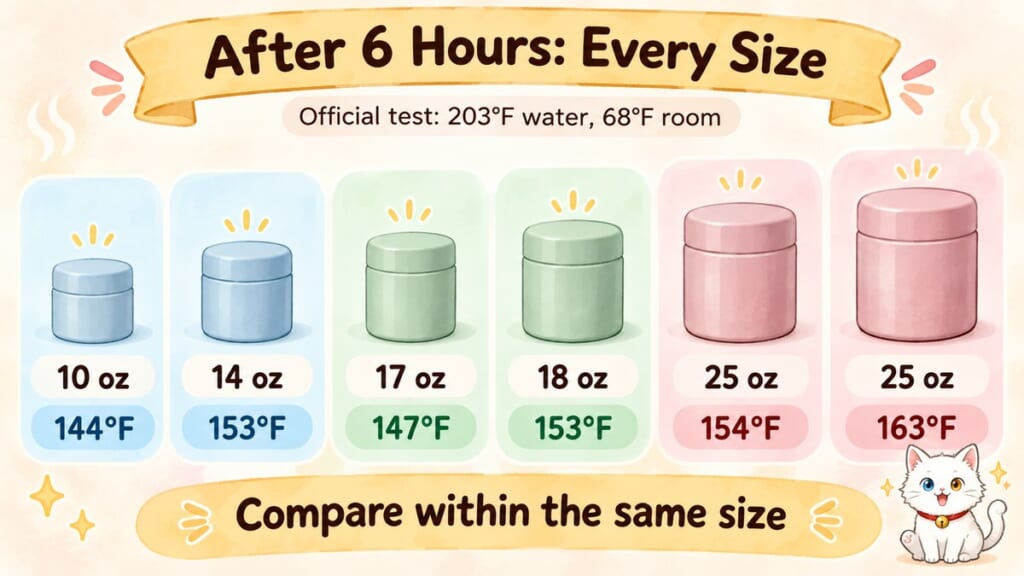
The official test conditions are 203°F (95°C) hot water, with a room temperature of 68°F (20°C), measured after six hours. These are water-temperature results, not a test of miso soup, pasta, or stew.
| Model | Capacity | Temperature after 6 hours | Mouth opening | Dishwasher | Replacement parts |
|---|---|---|---|---|---|
 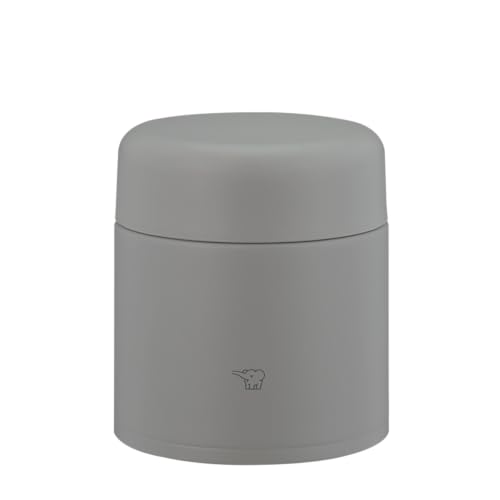 |
10 oz / 0.3 L | 144°F (62°C) | Approx. 2-7/8 in | Body and lid: Yes | Not listed |
|
|
14 oz / 0.4 L | 153°F (67°C) | Approx. 2-7/8 in | Body and lid: Yes | Not listed |
  |
17 oz / 0.5 L | 147°F (64°C) | 2-1/2 in | Not listed | Not listed |
|
|
18 oz / 0.52 L | 153°F (67°C) | 2-7/8 in | Not listed | Not listed |
  |
25 oz / 0.75 L | 154°F (68°C) | 2-3/4 in | Not listed | Gasket available |
|
|
25 oz / 0.75 L | 163°F (73°C) | 2-7/8 in | Not listed | Not listed |
Source: Zojirushi America Store, under the test conditions above. Details the store doesn’t state are marked “Not listed.”
 These published figures come from controlled tests using water at the specified temperatures. Actual lunchtime food temperatures can differ depending on the ingredients, starting temperature, amount packed, and when the lid is opened. A food jar can’t make lukewarm food hot again.
Zojirushi Food Jar 10 oz (SW-LA30)
The smallest size: 144°F after 6 hours. Good for a child who eats only a little soup.
Prices change often — please check the latest price on each store.
Zojirushi Food Jar 17 oz (SW-EAE50)
A 17 oz alternative for an adult’s soup. 147°F after 6 hours.
Prices change often — please check the latest price on each store.
Zojirushi Food Jar 25 oz (SW-FCE75)
The other 25 oz option: 154°F after 6 hours. A replacement gasket is sold by Zojirushi’s US store.
Prices change often — please check the latest price on each store.
Hot Is Not the Same as Safe: The 140°F Rule
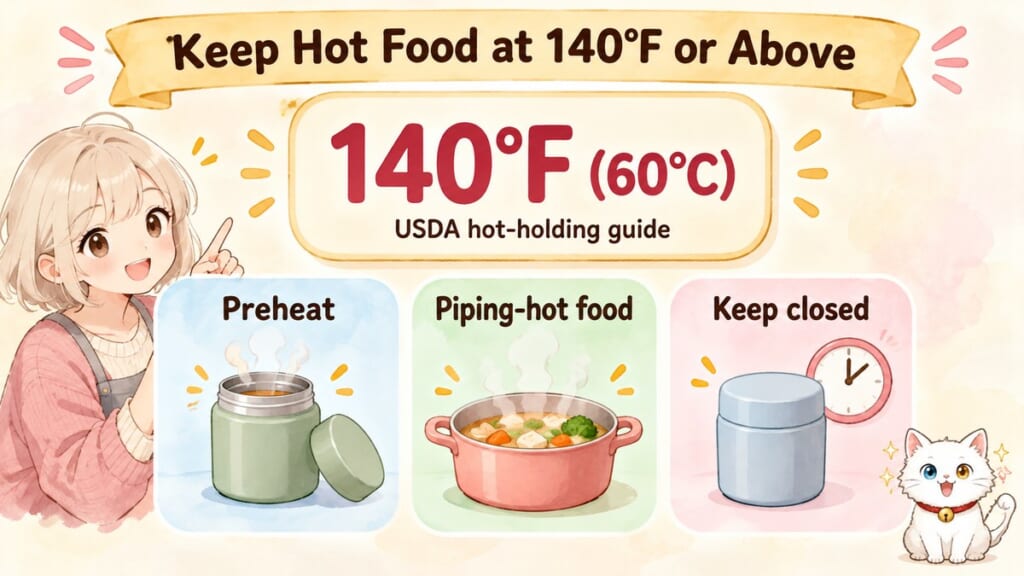
A soup that feels pleasantly warm isn’t automatically safe to keep unrefrigerated for hours. Temperature matters for food safety, not just comfort.
The USDA Food Safety and Inspection Service recommends keeping hot food at 140°F (60°C) or above. Its guidance for insulated lunch containers says to preheat with boiling water, add piping-hot food, and keep the container closed until lunchtime.
Official source: USDA FSIS — Keeping “Bag” Lunches Safe
Notice that the SW-LA30’s published six-hour temperature is 144°F. That’s above the USDA hot-holding threshold under the manufacturer’s test conditions, but the margin is small.
For a small jar like this, I would favor a shorter interval between packing and eating rather than assuming the official six-hour number will be reproduced in a school bag. That applies especially when the food isn’t as hot as the water used in the test, or the jar contains less than its intended fill level.
 If you’re uncertain about the temperature of a packed lunch, check the food itself with a food thermometer. And if perishable food hasn’t been kept at a safe temperature, don’t rely on reheating it later as a way to erase the risk.
Why Your Food Went Cold (and How to Fix It)
 I always preheat our Zojirushi jar with boiling water before putting in my husband’s miso soup. It’s a small part of my routine, but it’s one I don’t skip.
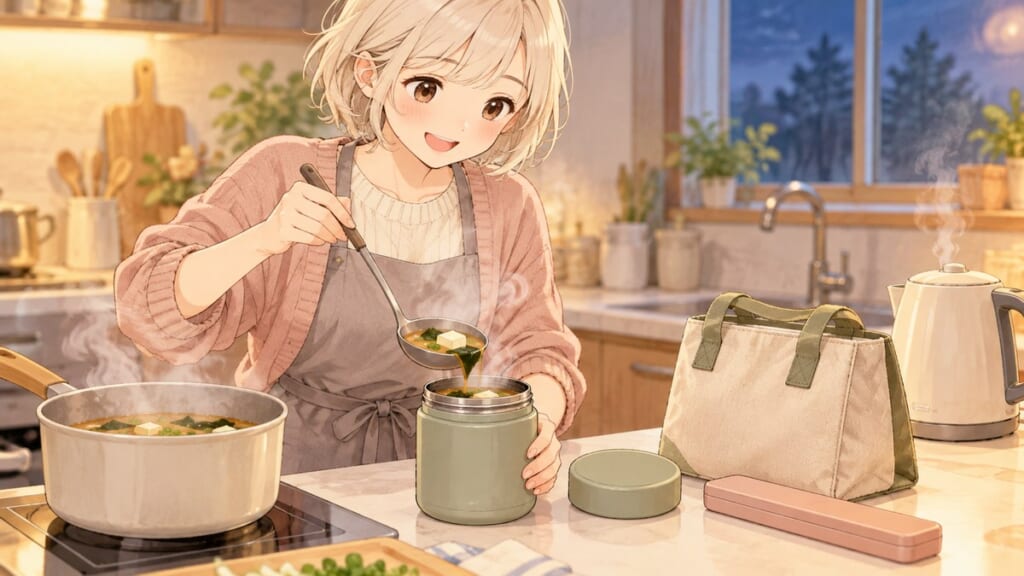
Step 1: Preheat the Empty Jar for Five Minutes
Pour boiling water into the empty jar, close the lid, and let it stand for five minutes. Then carefully empty the hot water immediately before adding your food.
That five-minute period comes from Zojirushi’s own food-jar recipe instructions. It gives the inside of the container time to warm up, so your soup isn’t immediately transferring heat into a cold inner wall.
Step 2: Add Piping-Hot Food
The jar is designed to retain heat, not create it. If the food goes in only mildly warm, insulation won’t bring it up to a higher temperature.
Soup, chili, stew, and miso soup are natural choices because their liquid content helps transfer heat throughout the food. For thick or chunky meals, make sure the whole portion is thoroughly heated rather than having a hot surface and a cool center.
Step 3: Fill to the Manufacturer’s Level
Zojirushi’s US recipe guidance says to fill to approximately 1 cm (about 3/8 inch) below the inner ridge. Follow the filling instructions for your particular model rather than filling it to the rim.
If you use a large jar for just a few spoonfuls of soup, the extra empty space can work against heat retention. That’s another reason I suggest choosing capacity based on the portion someone will actually eat.
Step 4: Close the Lid and Leave It Closed Until Lunch
Once the hot food is inside, close the lid securely according to the instructions. Reopening it to check the temperature releases heat, so save that first opening for lunchtime.
Why Japan Does It This Way
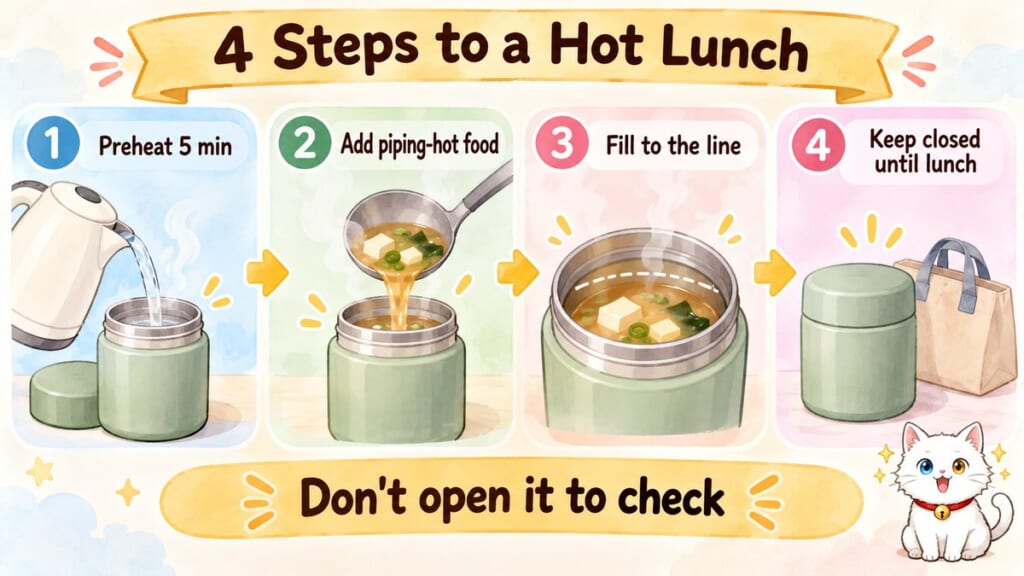
Miso soup is a familiar part of everyday meals in Japanese homes. It’s the kind of dish that makes a food jar especially useful: something with broth that you want to enjoy warm, even when you’re away from the kitchen.
In my house, that might mean ordinary miso soup one day and tonjiru, with pork and vegetables, another day. A thermally insulated jar lets me pack these familiar foods for a work lunch without needing to serve them straight from a pot.
For Kids: Can They Open It? Is It Too Hot?

A food jar for a child has to do more than keep soup warm. Your child also needs to carry it, open it without help, and eat from it comfortably.
Practice Opening the Lid at Home
A food jar’s lid can become harder to open as the contents cool and the pressure inside drops, as Zojirushi explains in its official FAQ. That’s why I’d have your child practice opening the jar at home before taking it to school.
Try opening and closing the jar several times when it’s empty and cool. Then practice under adult supervision with safely warmed contents, without using boiling-hot liquid for the exercise.
 If your child struggles with the lid, don’t assume they’ll somehow manage at school. Ask whether a teacher or another adult can help, or choose a lunch that doesn’t require opening a tightly sealed hot container.
Watch Out for Hot Soup and Spills
Pack the food piping hot to help maintain a safe temperature until lunch. The important part is teaching your child how to handle the hot soup when it’s time to eat.
Have your child place the jar on a steady table and hold it firmly while opening the lid slowly, away from their face and body. Before the first bite, let the soup cool a little on the spoon and check that it’s comfortable to eat.
A Little Note from My Japanese Family
In Japan, children at school and kindergarten generally have provided lunches, so I only pack a food jar for my children on special obento days, such as excursions or school events.
If you’re also choosing an insulated bottle for your child’s drinks, that’s a separate decision. I’ve covered the differences between the major bottle brands in my Zojirushi vs Thermos vs Tiger bottle guide.
Summer, Too: Ice Cream for the Park
A food jar isn’t only for winter soup. In our family it works hard in summer, too: I put ice cream in it and take it to the park. We usually eat it about an hour later, and it’s still nice and cold — a small summer treat the kids look forward to.
Zojirushi publishes cold-retention figures as well. The 14 oz SW-LA40 is rated at 48°F (9°C) and the 25 oz SW-FCE75 at 46°F (8°C) after six hours, starting with 40°F (4°C) water at a room temperature of 68°F (20°C). That isn’t freezer-cold, so ice cream won’t stay frozen all day. Think of it as a treat for a short outing, and pack it straight from the freezer.
Mr. Bento and Ms. Bento: Rice, Soup, and Sides
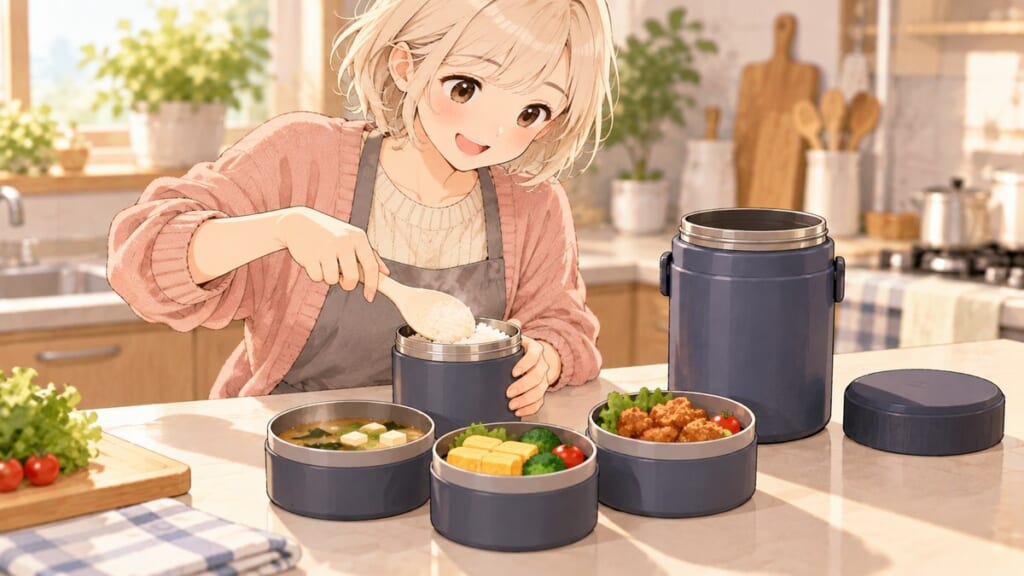
A single food jar is convenient when soup or stew is the main thing you want to keep hot. But what if you want to pack rice, soup, and several side dishes without mixing everything together?
Zojirushi also makes insulated lunch jars with individual inner containers. The two models to know are Mr. Bento SL-JBE14 and Ms. Bento SL-NCE09, which use different container arrangements from the single-compartment food jars above.
Looking for a regular lunch box rather than an insulated one? I sorted which Japanese bento boxes are actually made in Japan in my guide to made-in-Japan bento boxes.
Mr. Bento SL-JBE14: Four Separate Containers
The Mr. Bento SL-JBE14 has four inner containers:
| Container | Capacity |
|---|---|
| Main bowl | 15 oz |
| Side bowl | 10 oz |
| Side bowl | 7 oz |
| Soup bowl | 9 oz |
Its published heat-retention figure is 153°F (approximately 67°C) after six hours under the manufacturer’s specified conditions.


Zojirushi Mr. Bento (SL-JBE14)
Four inner containers: rice, soup and two side dishes. 153°F after 6 hours (hot-food section).
Prices change often — please check the latest price on each store.
Keeping each part of lunch separate is the appeal. The trade-off is more containers and lids to wash after eating.
Zojirushi states that the inner food containers can be used in a microwave, but their inner lids must be removed before heating. The insulated outer container isn’t the microwaveable part.
Ms. Bento SL-NCE09: Three Separate Containers
The Ms. Bento SL-NCE09 has three inner containers rather than four.
| Container | Capacity |
|---|---|
| Main bowl | 10 oz |
| Side bowl | 11 oz |
| Soup bowl | 7 oz |
Its official six-hour heat-retention figure is 149°F (approximately 65°C).


Zojirushi Ms. Bento (SL-NCE09)
Three inner containers for a smaller lunch. 149°F after 6 hours (hot-food section).
Prices change often — please check the latest price on each store.
This layout may suit someone who wants a smaller main portion and fewer separate dishes to carry. Its inner food containers are also microwaveable.
The important distinction is how these lunch jars manage temperature. The insulated outer body is designed to retain heat around the hot-food section, but the side-dish containers are not intended to keep all foods at the same hot temperature.
For that reason, I wouldn’t place Mr. Bento or Ms. Bento into the single-food-jar temperature ranking. They’re meant for a different way of packing lunch, with separate portions rather than one large compartment of soup.
If rice is an important part of your family’s meals, you might also enjoy my guide to whether a Zojirushi rice cooker is worth it, where I look at another way to bring everyday Japanese food into your kitchen.
What About Thermos? (and the 2026 Recall)
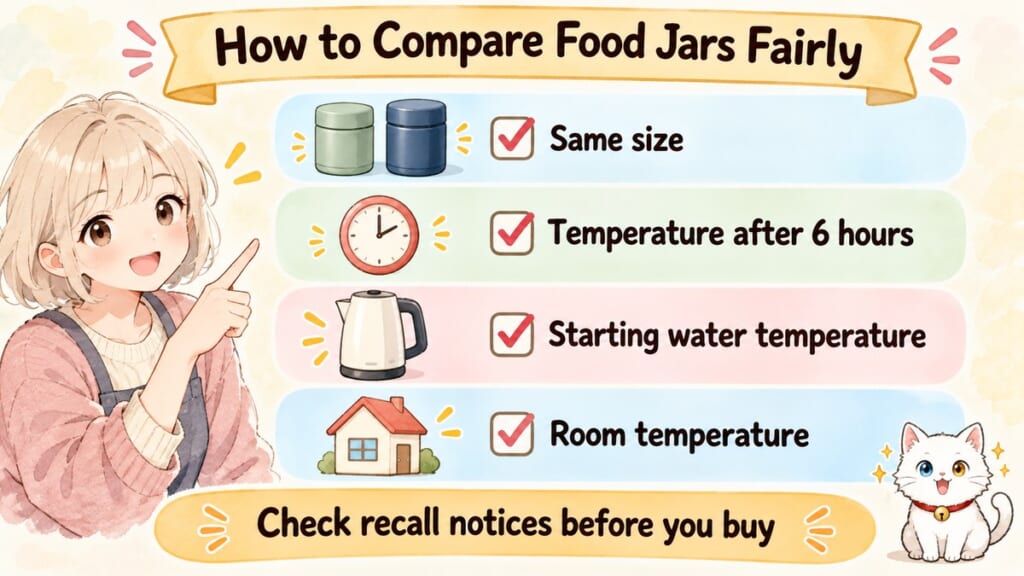
It’s natural to compare Zojirushi with Thermos when you’re choosing something to carry hot soup. Both names are familiar in insulated food containers, but comparing them fairly takes more than looking at the number of hours printed on a product listing.
Start with the size you need, then look for each manufacturer’s published temperature after six hours. Check the starting water temperature and room temperature used in the test, too.
Even if one jar shows a higher temperature, the numbers aren’t directly comparable when the starting water temperature, room temperature, or test duration differs. That’s why I wouldn’t declare either brand the winner based on those figures alone.
For a broader comparison of their insulated drinkware, along with Tiger, see my Zojirushi vs Thermos vs Tiger bottle guide.
Zojirushi vs Thermos vs Tiger: Which Japanese Water Bottle Should You Buy?
A 2026 Thermos Recall to Know About
On April 30, 2026, the US Consumer Product Safety Commission announced a recall involving certain Thermos Stainless King food jars and a Thermos Sportsman bottle:
- 16 oz Stainless King food jar SK3000, manufactured before July 2023
- 24 oz Stainless King food jar SK3020, manufactured before July 2023
- 40 oz Sportsman bottle SK3010
The affected stoppers lack a pressure-relief opening, which can allow a stopper to eject forcefully when a container is opened after its contents have been stored for an extended period.
If you own one of the affected products, stop using it and contact Thermos for the appropriate free replacement. Owners of the recalled food jars can request replacement stoppers through Thermos Support.
Official source: CPSC — Thermos Stainless King recall (April 30, 2026)
This is a recall of specified models, not a reason to treat all Thermos products as affected. Check the model number and manufacturing details before deciding whether the notice applies to your container.
Cleaning the Lid and Gasket (and Spare Parts)
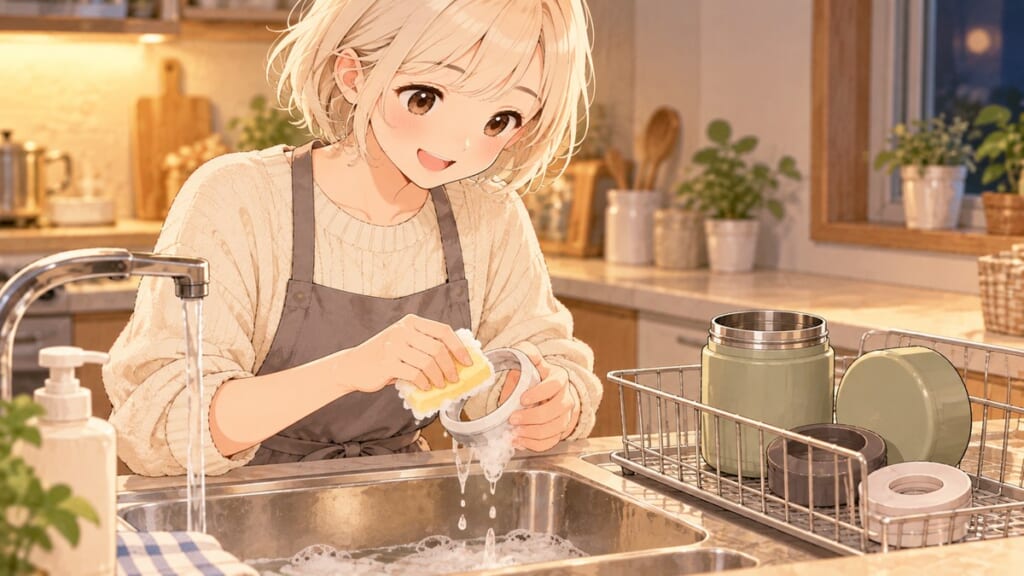
The jar that keeps your soup warm also needs a little attention after lunch. Broth, oil, and strong-smelling ingredients can collect around a lid or gasket if they’re not cleaned thoroughly.
I’ve had the smell of miso soup linger in the gasket of our Zojirushi jar. If you regularly pack miso soup or tonjiru, you may find yourself paying just as much attention to the lid as to the stainless-steel body.
How to Wash the Lid and Gasket
For models with a removable gasket, take it out according to the instructions and wash the parts carefully. Rinse away any remaining detergent and let everything dry thoroughly before putting the lid back together.
The newer SW-LA30 and SW-LA40 use an integrated stopper-and-gasket design, so the lid assembly doesn’t need to be separated into the same individual pieces. Both the body and lid are dishwasher-safe, although Zojirushi says not to soak the main body in water.
How to Remove Lingering Soup Smells
If your gasket still smells like yesterday’s soup after washing, Zojirushi’s official FAQ offers a simple method.
 Mix baking soda with water to make a paste, apply it to the removable rubber gasket, and leave it until dry. Then wash the gasket thoroughly to remove the paste.
This is a method Zojirushi recommends specifically for lingering gasket odors. Don’t automatically apply it to an integrated lid assembly without checking that model’s care instructions.
If your jar has been through plenty of miso soup lunches and the smell still won’t disappear, a replacement gasket may be a more practical answer than scrubbing harder.
Can You Buy Replacement Gaskets?
Some Zojirushi food-jar parts are sold separately through its US official store. For example, a replacement gasket is available for the SW-FCE75 model.
Official source: Zojirushi America Store — food jar parts
Before ordering, look at the model number printed on your jar and make sure the replacement part matches it. A gasket that looks almost identical isn’t necessarily designed to seal a different model.
Frequently Asked Questions
How long will soup stay hot in a thermos?
In Zojirushi’s official tests, its food jars measured 144–163°F (approximately 62–73°C) after six hours, using 203°F (95°C) water at a room temperature of 68°F (20°C). Your actual soup temperature will depend on what you pack, how hot it is when you fill the jar, and how much you put inside.
Is Zojirushi food jar good?
Zojirushi is worth considering if you want a vacuum-insulated food jar with published heat-retention figures and several sizes to choose from. I use one for my husband’s work lunch, and in our home, his food hasn’t gone cold when I preheat the jar before filling it.
Which is better, Zojirushi or Thermos?
Neither brand can be declared the winner based on these figures alone. Choose comparable capacities, examine each manufacturer’s six-hour temperature rating and test conditions, and consider cleaning and ease of opening before deciding.
How long can food sit in a thermos?
There’s no single safe number of hours for every insulated food jar. Follow USDA hot-holding guidance, prepare the food safely, and remember that a manufacturer’s heat-retention rating doesn’t prove that your particular meal stayed at a safe temperature.
A Warm Lunch Starts with the Right Size
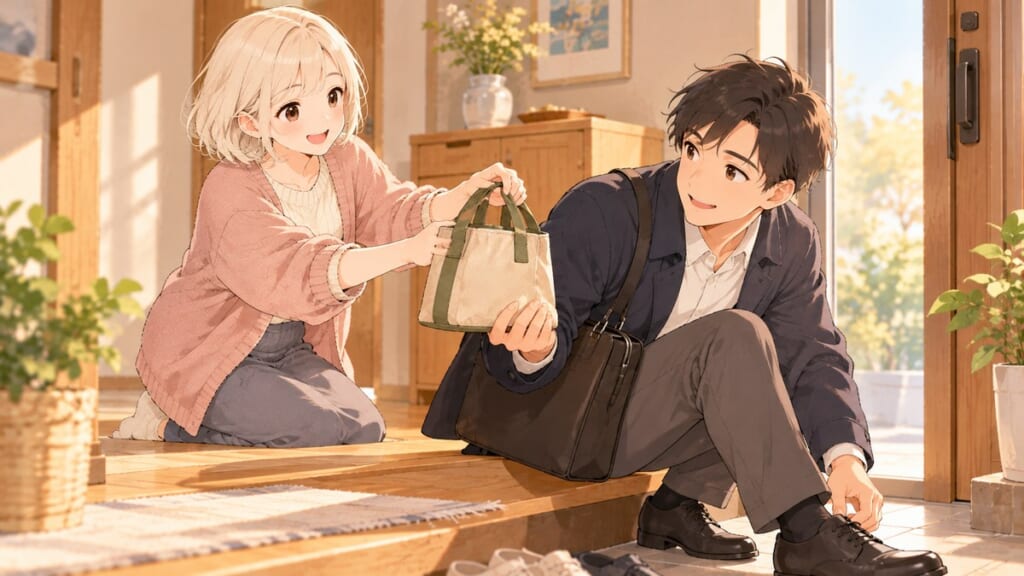
If you’ve ever packed a lovely hot soup only to worry that it will be lukewarm by lunchtime, I hope the numbers here make your next food-jar decision a little easier.
- Decide whose lunch it is. A child may need only 10–14 oz, while an adult’s soup or a larger meal may call for 18–25 oz.
- Compare six-hour temperatures within that size. That’s a better starting point than choosing the largest jar.
- Preheat, fill to the line, and keep it closed. The morning routine matters just as much as the model you buy.
For my family, a jar of miso soup or tonjiru is simply one way to send a familiar homemade meal along with someone heading out for the day. It’s a small thing, but one I enjoy doing.
If you’d like more ideas for making the colder months comfortable, take a look at my Japanese winter essentials. And if you’re choosing a practical present for someone who enjoys Japanese food, you might find something in my Japanese gifts you can buy without going to Japan.
Zojirushi Food Jar 14 oz (SW-LA40)
My pick for a child’s lunch. 153°F after 6 hours in Zojirushi’s test. Body and lid are dishwasher safe.
Prices change often — please check the latest price on each store.
Zojirushi Lunch Jar 18 oz (SW-KA52H)
My 18 oz pick for an adult’s soup. 153°F after 6 hours in Zojirushi’s test. Amazon Japan sells the Japanese version (SW-KA52).
Prices change often — please check the latest price on each store.
Zojirushi Lunch Jar 25 oz (SW-KA75H)
For a bigger lunch. The highest six-hour figure in this guide: 163°F.
Prices change often — please check the latest price on each store.
What would you pack in your food jar — miso soup, chili, stew, or something else? I’d love to hear your favorite lunch ideas in the comments.
I hope this guide has answered one of your questions and helped you feel a little closer to Japan.
May your Japan journey be filled with wonderful discoveries and memories you’ll treasure for years to come.
See you in the next guide.




Comments